Key Takeaways
- Eko Electricity Distribution Plc (EKEDP) has improved its operational performance since the privatisation of Nigeria's power sector.
- The Senate Committee on Privatisation will escalate the challenges of mounting government debts and transmission constraints to the Minister of Power.
- EKEDP has recorded a major turnaround since its privatisation in 2013, with significant reductions in technical, commercial, and collection losses.
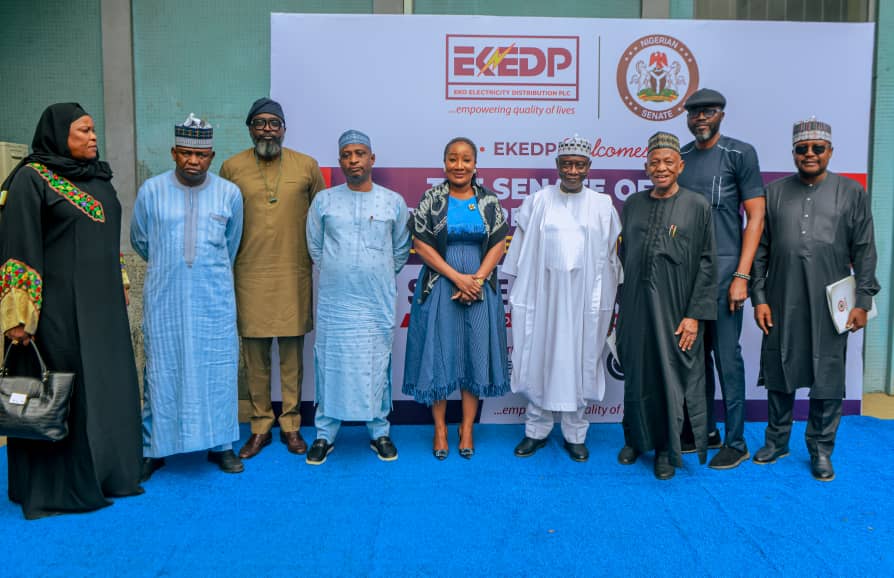
The Senate Committee on Privatisation has commended Eko Electricity Distribution Plc (EKEDP) for its remarkable progress in improving its operational performance since the privatisation of Nigeria's power sector. During an oversight visit to EKEDP's headquarters in Marina, Lagos, the committee reviewed the company's performance, infrastructure investments, and the challenges affecting electricity distribution within its franchise area.
Senator Shuaibu Isa Lau, Chairman of the Senate Committee on Privatisation, praised EKEDP for its significant improvements, noting that the concerns raised, particularly the outstanding debts owed by Ministries, Departments and Agencies (MDAs) and the armed forces, as well as the metering challenges, will be taken up with the Minister of Power for necessary intervention. The committee's visit was aimed at assessing the company's progress and identifying areas for improvement.
Progress and Challenges
EKEDP management presented a positive report, highlighting the company's major turnaround since its privatisation in 2013. Aggregate Technical, Commercial and Collection (ATC&C) losses have dropped from 35.37 per cent in 2013 to 19.71 per cent in 2026 year-to-date, while average monthly revenue billed increased from less than ₦2 billion to ₦39.5 billion over the same period. The company has also achieved full settlement of its market obligations to the Nigerian Independent System Operator (NISO) and other stakeholders.
Despite the progress, EKEDP's performance continues to be constrained by factors beyond its control, including transmission bottlenecks, inadequate electricity generation, and recurring gas supply disruptions to generation companies. The company has identified these challenges as major issues undermining collection efficiency and liquidity across Nigeria's electricity value chain.
EKEDP has reaffirmed its commitment to working with the National Assembly, the Ministry of Power, the Nigerian Electricity Regulatory Commission (NERC), and other stakeholders to sustain improvements in electricity supply and accelerate investments needed to meet growing electricity demand across its franchise area. The company's digital transformation initiatives, including the launch of the Eko Power App, are also aimed at enhancing customer self-service and improving overall efficiency.
In conclusion, the Senate Committee on Privatisation's visit to EKEDP has highlighted the company's progress and challenges. While there are still issues to be addressed, EKEDP's commitment to improving its operational performance and working with stakeholders to overcome challenges is a positive step towards achieving a more efficient and reliable electricity distribution system in Nigeria.
Why This Matters
The improvements in EKEDP's operational performance and the committee's commitment to addressing the challenges facing the company are crucial for Nigeria's economic growth and development, as a reliable electricity supply is essential for businesses and industries to thrive. The success of EKEDP and other electricity distribution companies will have a significant impact on the country's ability to meet its growing electricity demand and achieve its economic goals.