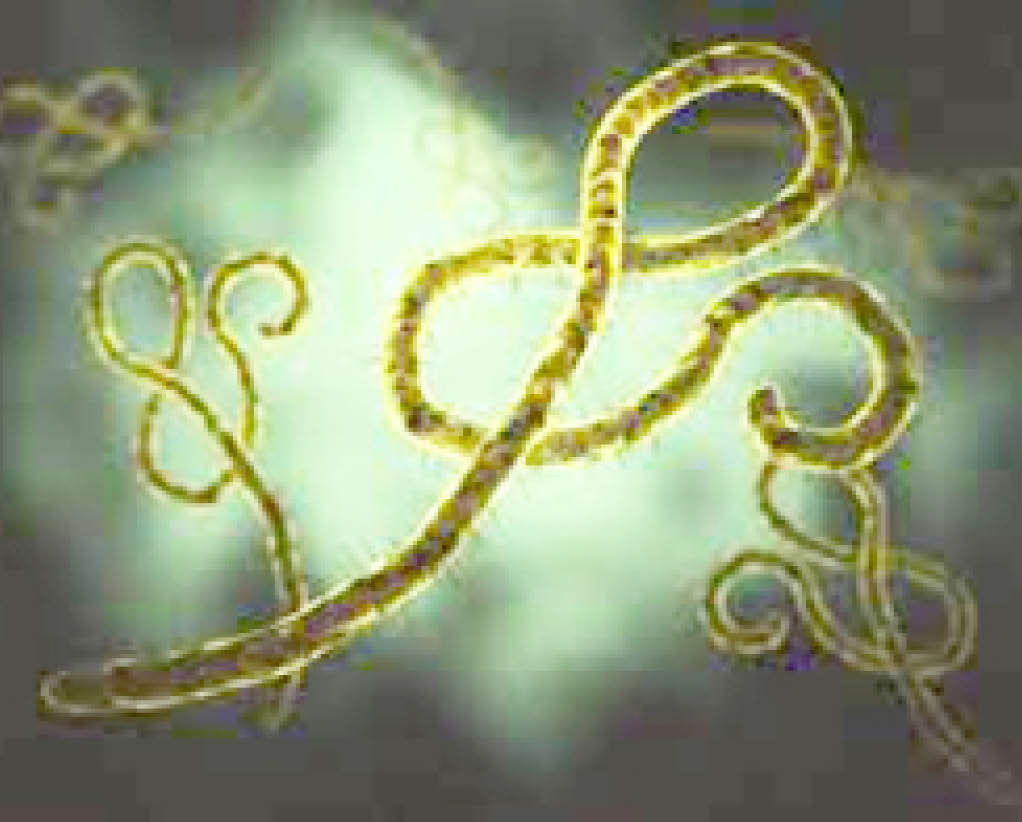
The National Emergency Management Agency (NEMA) has urged Nigerians to join hands with the Federal Government to curb the spread of the deadly Ebola disease by promptly reporting suspected cases
Speaking to journalists on Wednesday in Abuja, the Director-General of NEMA, Mrs Zubaida Umar, assured Nigerians that relevant public health authorities were fully engaged in managing the situation
She warned Nigerians against touching or preparing the bodies of anyone suspected of dying from Ebola, stressing that only trained health authorities should handle such burials
Umar noted that the disease spreads mainly through direct contact with the blood or bodily fluids of an infected person who is ill, as well as through contaminated materials She said Nigerians could substantially reduce their risk of infection by observing simple precautionary measures.
She also advised anyone who develops symptoms such as fever, severe weakness, headache, vomiting or diarrhoea following possible exposure to the virus to seek medical attention immediately
The NEMA director-general urged Nigerians to wash their hands frequently with soap and running water or use alcohol-based hand sanitisers She also advised them to avoid direct contact with the blood and bodily fluids of anyone suspected of having Ebola, as well as unsafe contact with wild animals and the handling of dead wild animals.
According to her, the Federal Ministry of Health and Social Welfare and the Nigeria Centre for Disease Control and Prevention (NCDC), in collaboration with the FCT Health Services Secretariat and other relevant authorities, are leading the national response
She confirmed that the patient had been isolated and was receiving medical care, while contact tracing and surveillance were ongoing
Umar urged Nigerians to remain calm and vigilant and to follow official health advice, adding that there was no need to panic
“Nigeria successfully contained Ebola in 2014 That experience reminds us that early detection, responsible individual behaviour, effective contact tracing and coordinated institutional action can break the chain of transmission,” she said.