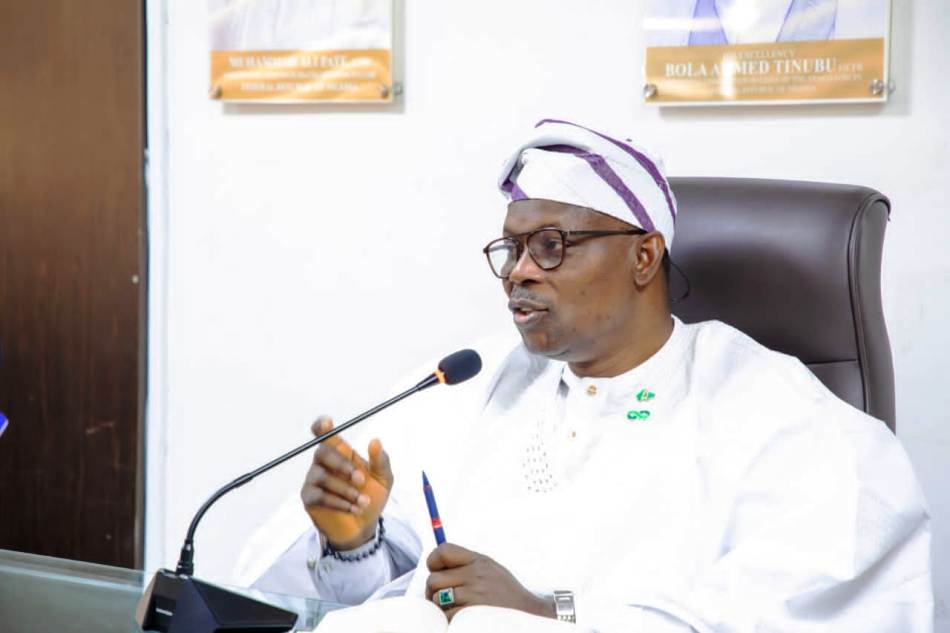
The Federal Government has urged Nigerians to observe proper hand hygiene, practise preventive healthcare and cooperate with public health officials following a report of an imported Ebola case
The Minister of State for Health and Social Welfare, Dr Iziaq Adekunle Salako, made the call on Wednesday in Abuja at the inaugural National Self-Care Conference
The conference was themed, “Self-Care: Put Your Health in Your Hands — Test, Track, Thrive”
Salako urged Nigerians to adopt healthy habits, monitor their health conditions and seek professional medical attention when necessary
“I therefore use this opportunity to call on the Nigerian public to observe self-care, like hand hygiene, appropriate disinfection, and cooperate fully with public health officials to contain the reported Ebola case,” he said
He described self-care as a critical tool for preventing diseases, improving health outcomes and reducing pressure on hospitals
“Self-care extends healthcare beyond hospitals and clinics into our homes, our workplaces, leisure arenas, and to our communities,” the minister said
He explained that self-care included healthy eating, physical activity, adherence to prescribed medication and regular monitoring of health conditions
Salako, however, warned that self-care must not be used as a substitute for professional medical services or as an excuse for the government to shirk its responsibility to provide accessible and affordable healthcare
“Self-care does not replace professional healthcare, and I daresay, does not absolve the health sector and the government of its responsibility to provide accessible, affordable, and quality health services,” he said
The minister said the government would continue to invest in health facilities, skilled personnel, essential medicines and functional referral systems
He also called on state governments to integrate evidence-based self-care interventions into their health policies and programmes
Salako said the conference’s theme, “Test, Track, Thrive”, was designed to encourage Nigerians to take informed steps towards protecting their health
He explained that testing would help individuals understand their health status and identify potential risks early, particularly in cases of hypertension and diabetes
The minister urged stakeholders to improve access to reliable testing services, protect patients’ confidentiality and tackle the stigma associated with knowing one’s health status
He also called on healthcare professionals to guide patients on the safe use of self-care interventions, while development partners were urged to support sustainable financing and capacity development
Salako further urged researchers, traditional and religious leaders, civil society organisations and the media to promote accurate health information and guard against misinformation and unsafe health practices
He said digital communication tools and artificial intelligence could help expand access to self-care information, particularly in underserved communities
Also speaking, the World Health Organisation Representative in Nigeria, Dr Pavel Ursu, said self-care could help bridge gaps in healthcare delivery, particularly in communities facing high maternal and child mortality, unmet family planning needs, infectious diseases and non-communicable diseases
Ursu, who was represented by the WHO Coordinator for Strategic Health Policy and Planning, Dr Mary Brantuo, stressed that self-care should complement rather than replace existing health services
“Self-care is not about replacing health systems, but rather about extending their reach and empowering people with the knowledge, tools and confidence they need to make informed decisions about their health,” she said
She said interventions such as HIV self-testing, contraceptive self-injection and self-monitoring had demonstrated their value and acceptability in Nigerian communities
Ursu called for stronger government ownership, private sector participation, digital innovation, accountability and youth leadership to ensure the initiative achieved lasting results
“No single institution can achieve this agenda alone,” she said
Similarly, the Managing Director of the Society for Family Health, Omokhudu Idogho, said self-care would only deliver meaningful results if Nigerians had access to accurate information, quality products, affordable services and professional medical attention
Idogho, who was represented by the Group Director, Population, Health and Community Systems, SHF Donor-Funded Portfolio Directorate, Pharm Emeka Okafor, warned that encouraging people to manage their health without providing the necessary support could undermine the initiative
“People need accurate information, quality products, affordable services, and access to professional care when they need it,” he said
He added, “Empowerment must be accompanied by access”
Idogho said many Nigerians made health decisions at home, in pharmacies and in their communities, with mobile phones increasingly becoming a source of health information
He identified telemedicine as one of the approaches that could bring professional medical advice closer to patients
Through its Access Care initiative, he said, the organisation was working to make consultations easier for people facing transport costs, long distances, time constraints and privacy concerns
He, however, stressed that digital healthcare services must provide appropriate guidance and pathways to physical examinations and further treatment where necessary
In her goodwill message, the Deputy Director of the Gates Foundation, Radio Diallo, said self-care aligned with the foundation’s priorities of preventing avoidable maternal and newborn deaths and tackling deadly infectious diseases
Diallo said Nigeria had demonstrated early leadership through the development of its National Guidelines on Self-Care for Sexual and Reproductive Health in 2020
She said the success of self-care depended not only on the availability of health products but also on accurate information, quality-assured products, appropriate support and effective regulation
“It is not simply about providing a product It is about creating the information, support, regulatory and health system environment that enables people to use that product safely and confidently,” she said.
Diallo urged stakeholders to prioritise interventions based on disease burden, evidence and their potential to reduce pressure on the country’s limited healthcare workforce
She also called for deliberate efforts to reach underserved populations and remove barriers preventing vulnerable Nigerians from accessing healthcare
“Our ambition should be clear today: to ensure that every Nigerian has the knowledge, tools, choices and support to take greater ownership of their health while remaining connected to a strong and responsive healthcare system,” she said