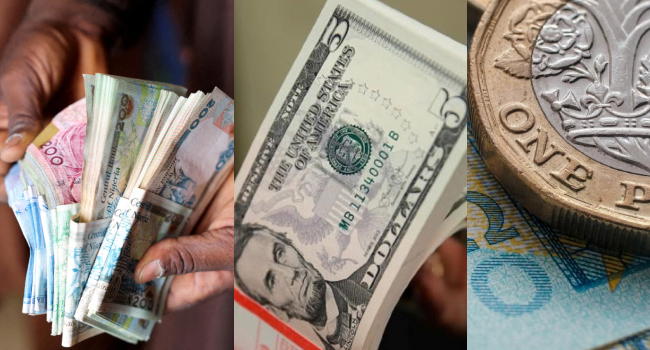
Key Takeaways
- The Nigerian Naira depreciated against the US Dollar on Friday, September 18, 2026, across both official and parallel markets.
- In the official Nigerian Foreign Exchange Market (NFEM), the Naira traded at ₦1,331 per dollar, a loss of ₦1.44 from Wednesday's rate.
- The parallel market saw the dollar rise to ₦1,375, widening the gap between official and unofficial rates to ₦44 per dollar.
- Market participants are closely monitoring dollar liquidity, foreign exchange demand, and Central Bank of Nigeria (CBN) interventions.
Nigeria's currency, the Naira, experienced a notable weakening against the United States Dollar on Friday, September 18, 2026, reflecting persistent pressures across the nation's foreign exchange landscape. Both the official Nigerian Foreign Exchange Market (NFEM) and the parallel market recorded significant depreciation, signaling ongoing challenges in stabilizing the local currency.
According to the latest data reported by the Central Bank of Nigeria (CBN), the official market saw the Naira trade at approximately ₦1,331 per dollar. This rate represents a further depreciation from the ₦1,329.56 per dollar recorded just two days prior on Wednesday, indicating a loss of about ₦1.44 against the greenback within a short period. This movement underscores the volatility that continues to characterize Nigeria's official currency trading platform.
Simultaneously, the parallel market, often referred to as the 'black market' or 'street market,' mirrored this downward trend. On Friday, the dollar surged to about ₦1,375, an increase from the ₦1,370 recorded on Wednesday. This upward trajectory in the unofficial segment directly impacts individuals and businesses that rely on this market for their foreign exchange needs. For instance, acquiring $100 through the parallel market would now cost approximately ₦137,500, while $1,000 would demand around ₦1,375,000 at the reported rate.
Widening Gap Between Official and Parallel Markets
The latest movements have significantly widened the disparity between the official and parallel-market rates, with a gap of approximately ₦44 per dollar emerging. This divergence is a critical indicator of underlying structural issues within Nigeria's foreign exchange system. It reflects fundamental differences in pricing mechanisms, supply conditions, and regulatory oversight between the two segments. While the official market is influenced by CBN policies and institutional transactions, the parallel market is largely driven by speculative activities, demand-supply imbalances, and informal trading networks, where rates can fluctuate based on location, dealer, and transaction size.
Historically, Nigeria has grappled with a multi-tiered exchange rate system, which the CBN has consistently aimed to unify to improve transparency and attract foreign investment. However, factors such as fluctuating crude oil prices (Nigeria's primary foreign exchange earner), high import dependence, and capital flight have often thwarted these efforts, leading to persistent pressure on the Naira and a thriving parallel market.
Factors Influencing Naira's Performance
Market participants are keenly observing several key factors that continue to influence the Naira’s performance. These include the availability of dollar liquidity, the overall foreign exchange demand from importers and other businesses, and the frequency and effectiveness of CBN interventions. The central bank often intervenes by selling dollars into the market to bolster supply and stabilize the Naira, but the impact can be temporary if underlying demand remains high or supply is constrained.
A Reuters report on Thursday offered a slightly different perspective, noting that the Naira was trading around ₦1,328 per dollar in the official market and ₦1,390 in street trading. Despite the observed depreciation, Reuters suggested that the currency was expected to remain 'broadly stable' in the near term, attributing this outlook to ongoing central bank dollar sales and relatively subdued import demand. However, the latest figures suggest that any stability might be fragile, with market forces continuing to exert significant pressure.
Why This Matters
The continued weakening of the Naira and the widening gap between official and parallel exchange rates have profound implications for Nigeria's economy and its citizens. It fuels inflation, increases the cost of imported goods and raw materials for businesses, and erodes the purchasing power of average Nigerians, making essential commodities more expensive and hindering economic growth and stability.