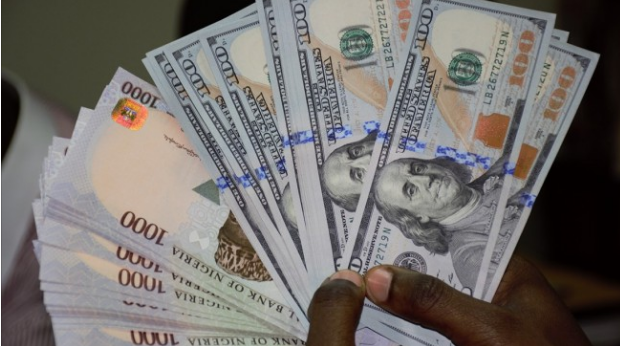
Key Takeaways
- The Nigerian Naira maintained relative stability against the United States Dollar across both official and informal currency segments.
- In the official Nigerian Foreign Exchange Market (NFEM), the Naira traded around N1,331.09 per Dollar.
- The parallel market saw buying rates between N1,355 and N1,365, with selling rates from N1,375 to N1,390 per Dollar.
- This stability is largely attributed to consistent foreign exchange liquidity injections, elevated external reserve levels, and moderated speculative activity.
- The narrow premium spread between official and informal channels signals improved market confidence and reduced arbitrage opportunities.
The Nigerian Naira has recently showcased a period of notable stability against the United States Dollar, a welcome development for Africa's largest economy. This newfound equilibrium has been observed across both the official and informal currency segments, signaling a potential turning point after months of significant volatility and depreciation. Market data indicates a consistent performance, underpinned by strategic interventions and improved market dynamics.
According to figures from the official Nigerian Foreign Exchange Market (NFEM), the Naira was trading steadily around N1,331.09 per Dollar during early morning spot trading. Intra-day figures further corroborated this trend, indicating sustained steady trading bounds. This stability in the official window is primarily driven by consistent foreign exchange liquidity injections, a critical measure undertaken by the Central Bank of Nigeria (CBN) to meet demand and stabilize the market. Furthermore, elevated external reserve levels have provided the necessary backing for these CBN interventions, bolstering market confidence.
The parallel market, often a barometer of underlying currency pressures, also reflected this positive trend. Street currency operators and Bureau De Change (BDC) dealers across major commercial centers in Lagos and Abuja quoted buying rates between N1,355 and N1,365 per Dollar. Selling rates in this informal channel ranged between N1,375 and N1,390 per Dollar. Crucially, the premium spread between the official and informal channels remained narrow, a significant indicator of reduced arbitrage opportunities and improved market efficiency.
Market analysts are attributing this stable spread to several factors, including moderated speculative activity and steady foreign exchange inflows across the domestic market. In recent months, the CBN has implemented various policies aimed at curbing speculative practices and encouraging legitimate inflows, such as diaspora remittances, foreign direct investment, and portfolio investments. These efforts appear to be yielding positive results, reducing the incentive for currency hoarding and artificial scarcity.
The recent history of the Naira has been marked by significant fluctuations, leading to high inflation and increased operational costs for businesses reliant on imports. The CBN's proactive measures, including interest rate hikes and direct interventions, have been pivotal in attempting to restore order. The current stability suggests that these measures, combined with potentially higher oil revenues and increased investor confidence, are beginning to take hold, offering a much-needed respite for businesses and consumers alike.
Why This Matters
The sustained stability of the Nigerian Naira is crucial for economic planning, investor confidence, and the overall welfare of citizens. A predictable exchange rate helps businesses manage costs, reduces inflationary pressures, and makes Nigeria a more attractive destination for foreign investment, ultimately fostering sustainable economic growth and development.