Key Takeaways
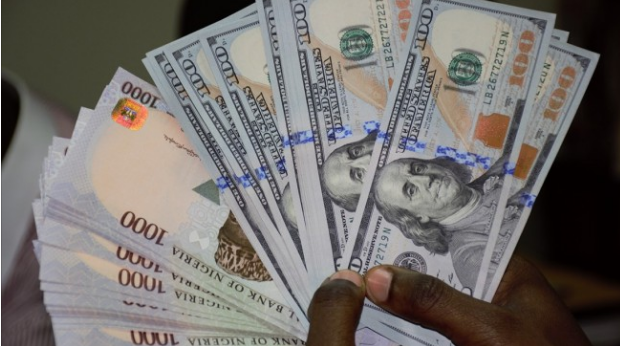
- The naira opened trading with a relatively narrow gap between the official Nigerian Foreign Exchange Market (NFEM) and the parallel market.
- The official market saw the naira trading around ₦1,362.09 per US dollar.
- The parallel market had dollar buying rates between ₦1,402–₦1,405 and selling rates between ₦1,410 and ₦1,412.
The naira has maintained its stability against the dollar, with the official Nigerian Foreign Exchange Market (NFEM) showing a rate of around ₦1,362.09 per US dollar on Tuesday, July 28, 2026. This was with transactions ranging between ₦1,359 and ₦1,365, and a closing rate from the previous session of approximately ₦1,361 per dollar.
Live interbank pricing also indicated that the dollar was quoted at about ₦1,366.84/$ in early Tuesday trading, reflecting ongoing activity within the official foreign exchange window. Meanwhile, in the parallel market, commonly referred to as the black market, the dollar was bought at about ₦1,402–₦1,405 and sold between ₦1,410 and ₦1,412 in Lagos, with dealers reporting slight variations across locations and transaction sizes.
The difference between the official NFEM rate and the parallel market selling rate remained around ₦48–₦50 per dollar, suggesting a much narrower premium than levels seen during periods of severe foreign exchange pressure. Currency traders attributed this to demand from importers, manufacturers, and individuals seeking invisible transactions, which continued to support the black-market rate, while improved liquidity in the official window helped keep the naira relatively stable.
The Central Bank of Nigeria does not recognize the parallel market and advises individuals and businesses to obtain foreign exchange through authorized banks and licensed financial institutions. This stance is aimed at promoting transparency and stability in the foreign exchange market, and reducing the risks associated with unofficial currency trading.
Why This Matters
The stability of the naira against the dollar is crucial for Nigeria's economy, as it affects the cost of imports, inflation, and the overall competitiveness of Nigerian businesses. As such, the Central Bank of Nigeria's efforts to maintain a stable exchange rate and promote the use of official foreign exchange channels are vitally important for the country's economic growth and development. The maintenance of a stable exchange rate will have a positive impact on the economy, allowing for more predictable trade and investment.