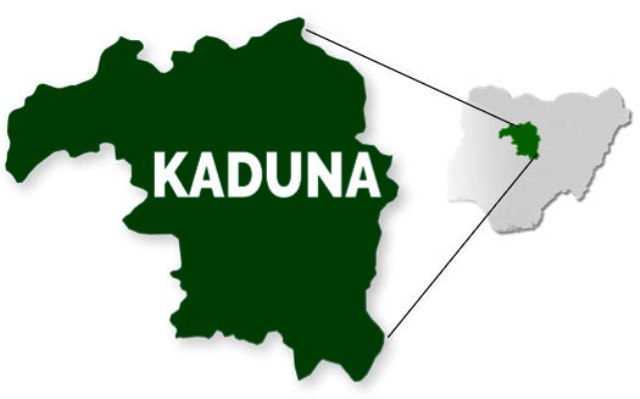
Key Takeaways
- Gurara Dam host communities in Kaduna State lack basic amenities like electricity and potable water, despite the facility's multi-billion-naira investment.
- The dam's economic activities have inadvertently fueled a surge in insecurity, displacing thousands and crippling agricultural livelihoods in Kachia and Kagarko LGAs.
- Local leaders are urging the North Hydroelectric Power Producing Areas Development Commission (NHYPPADEC) to intervene and provide essential services before the dam's refurbished hydroelectric plant begins full operation.
- The situation highlights a significant disparity, with the dam supplying critical water resources to the Federal Capital Territory while its immediate neighbors suffer profound neglect.
The Chairman of Kachia Local Government Area in Kaduna State, Dr. Manzo Maigari, has voiced profound concern over the persistent neglect faced by communities hosting the Gurara Dam. Despite bearing significant environmental and security burdens associated with the multi-billion-naira facility, these communities remain without fundamental amenities such as electricity and potable water.
Speaking passionately at a recent stakeholders’ engagement meeting organized by the North Hydroelectric Power Producing Areas Development Commission (NHYPPADEC) in Kaduna, Dr. Maigari highlighted the stark injustice. He emphasized that while the Gurara Dam serves as a vital water source for the Federal Capital Territory (FCT), its immediate host communities continue to languish in darkness and without access to clean drinking water. The crucial meeting, aimed at addressing regional challenges, was chaired by NHYPPADEC's Managing Director, Abdulrazaq Sadig Yelwa.
The Unjust Burden: Darkness and Thirst
The Gurara Dam, a significant national asset, was primarily constructed to provide water supply to Abuja and its environs, with the potential for hydroelectric power generation. However, for the residents of Kachia and neighboring Kagarko Local Government Areas, its presence has brought more hardship than benefit. Dr. Maigari underscored the irony of a facility designed to harness natural resources failing to provide basic services to those living in its shadow. The impending full power evacuation from the refurbished Gurara hydroelectric plant to the national grid only exacerbates the frustration, as local residents anticipate no direct benefit.
Insecurity's Grip: Displacement and Economic Ruin
Beyond the lack of amenities, Dr. Maigari revealed a more sinister consequence: the dam's role in exacerbating regional insecurity. He explained that the consistent availability of water around the dam has attracted large-scale farming and livestock businesses. While seemingly positive, this concentration of economic activity has inadvertently become a magnet for armed criminals, including bandits and cattle rustlers, who prey on the burgeoning agricultural sector.
This surge in criminal activity has had devastating effects, leading to widespread violence, displacement, and the collapse of farming activities – the primary source of livelihood for many in the area. Dr. Maigari estimated that between 150,000 and 200,000 people have been displaced in Kachia Local Government Area alone. Many of these displaced individuals are now living in internally displaced persons’ (IDP) camps, where existing facilities are severely overstretched, creating a humanitarian crisis.
A Call for Justice and Collaboration
In light of these dire circumstances, Dr. Maigari issued a fervent appeal to NHYPPADEC. He urged the commission to collaborate closely with the Federal Ministry of Water Resources to ensure that the host communities are connected to electricity and provided with potable water. This intervention, he stressed, is critical and must occur before the refurbished Gurara hydroelectric plant commences full power evacuation to the national grid, ensuring that those who bear the burden also share in the benefits.
Responding to the chairman's plea, NHYPPADEC Managing Director, Abubakar Sadiq Yelwa, reaffirmed the commission’s unwavering commitment. He assured stakeholders that NHYPPADEC is dedicated to addressing the ecological and socio-economic challenges prevalent in hydroelectric power-producing communities across the nation, promising a concerted effort to alleviate the suffering in Kachia and Kagarko.
Why This Matters
The plight of the Gurara Dam host communities underscores a critical national issue concerning equitable development and the social license for large-scale infrastructure projects. Neglecting the basic needs of communities that bear the direct impact of such facilities not only creates profound social injustice but also fosters resentment and can exacerbate existing security challenges. Addressing these grievances is paramount for sustainable development, ensuring that national progress does not come at the expense of local populations, and upholding the principle that development must be inclusive and beneficial to all citizens.