By Udeme Akpan & Okeagu Oluchi
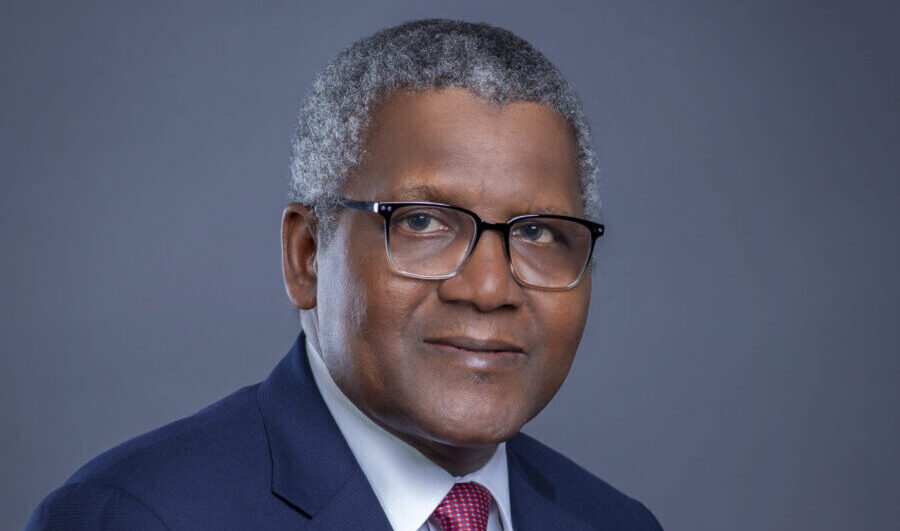
President of Dangote Group, Aliko Dangote, has announced plans to invest more than $10 billion in Africa’s power sector over the next three to four years, describing electricity as critical to the continent’s economic transformation
Dangote disclosed this in an interview with Al Jazeera uploaded on Monday, saying the investment would support what he expects to be a major transformation across Africa
“I’m telling you, in the next, three, four years, there will be a major transformation in Africa And that’s why we’re looking at power, for example,” he said.
Explaining the plan, Dangote said the group could redirect funds from some proposed businesses, including steel, into electricity projects
“We are going to invest in power We want to, actually, there is one or two businesses that we might cancel, like steel, and we will put in the money. We want to invest over $10 billion alone in power,” he said.
He identified Africa’s electricity deficit as one of the continent’s major development challenges, noting that more than 600 million Africans still lack access to electricity
“It is something that we Africans should not really allow Over 600 million of our people to remain in darkness,” Dangote said.
According to him, expanding access to reliable electricity would have implications beyond households, supporting industrial activity, investment and broader economic growth
“So power is key We will never, ever create growth without power,” he said.
Dangote also linked electricity supply to political leadership, arguing that delivering reliable power could have a significant impact on how citizens assess their governments
“You know, as some politicians, if they work hard, they have a plan, when you deliver power, you don’t need to go for campaign when you’re going for the election,” he said
He added: “So that’s why they say, power is growth”
The proposed investment signals Dangote Group’s intention to expand its involvement in Africa’s energy infrastructure as the continent continues to grapple with inadequate electricity access and supply constraints