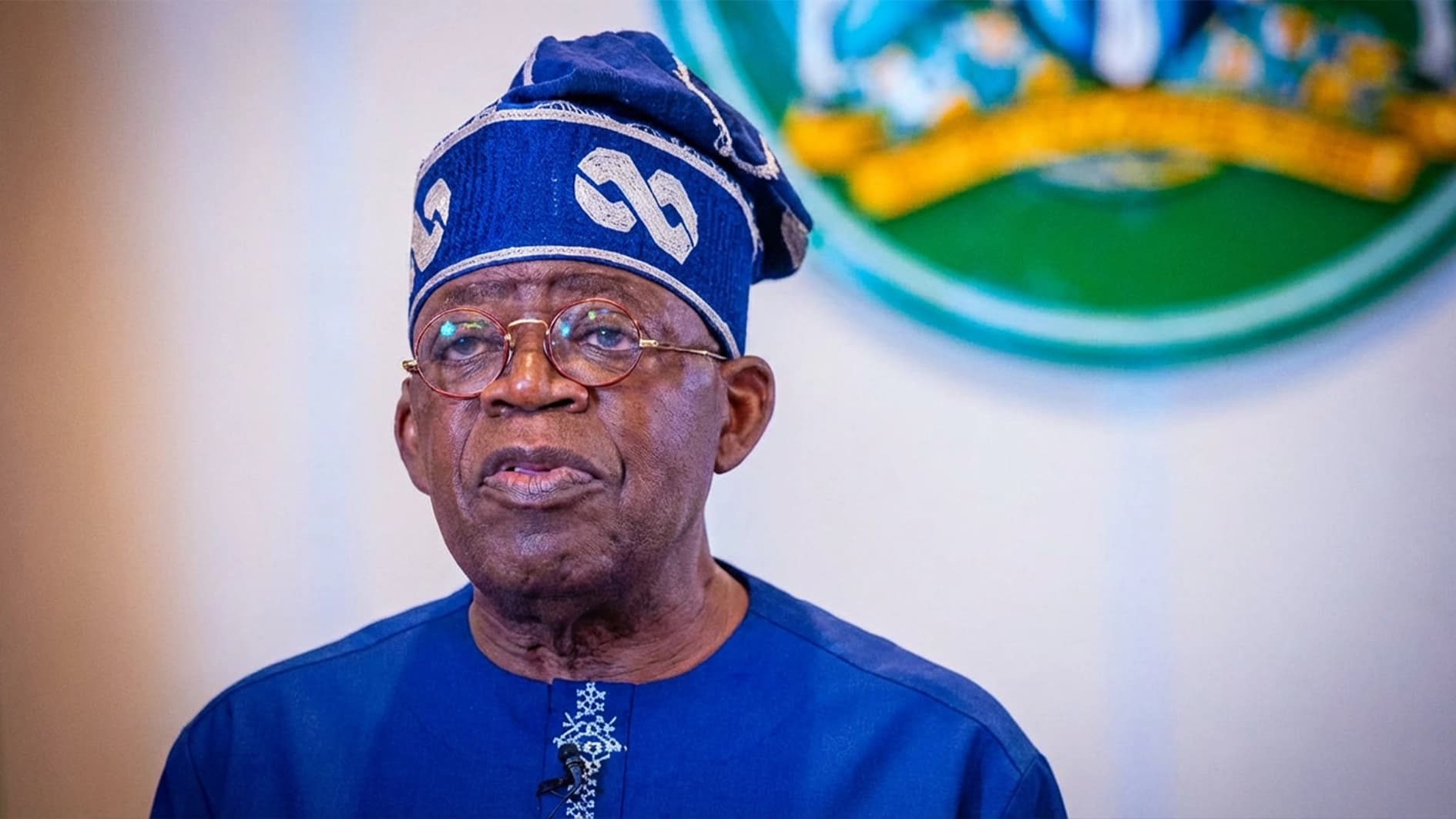
Civil society organisations have called on President Bola Ahmed Tinubu to intervene in the case involving former Kaduna State governor, Nasir El-Rufai, and the Independent Corrupt Practices and Other Related Offences Commission (ICPC).
The call was made by the Concerned Nigerian Professionals and the ESG Association during a press conference in Abuja on Thursday.
El-Rufai is reportedly facing a 10-count charge bordering on alleged corruption, money laundering and abuse of office, following a high-profile investigation into his tenure as governor.
Speaking on behalf of the groups, the convener, Dr Uche Diala, urged the president to act in order to protect democratic principles and the rule of law.
“We appeal to His Excellency, President Bola Ahmed Tinubu, that this should not be his legacy,” he said.
“As a professed democrat, he cannot preside over these anomalies. He must intervene and ensure that the rule of law, and not the rule of might, prevails.”
The groups also called on the Chief Justice of Nigeria and the National Judicial Council to strengthen oversight of judicial officers to safeguard the integrity of the judiciary and protect citizens’ rights.
They further urged the Attorney-General of the Federation and Minister of Justice, the Inspector-General of Police, and heads of security and anti-corruption agencies to uphold the independence of their institutions.
According to them, actions of these agencies must be guided strictly by the Constitution and the rule of law, with respect for human rights and due process.
They cautioned against indiscriminate arrests and the manipulation of judicial processes leading to unlawful detention.
“The agencies should resist the temptation of indiscriminate arrests and manipulation of judicial processes for prolonged detention and denial of liberty, regardless of the individual involved,” the groups said.
They also stressed the need to protect fundamental rights, including freedom of speech, association and the right to life.
The organisations further called on Nigerians, regardless of political affiliation, including elder statesmen and members of the Council of State, to speak out against what they described as threats to democracy and due process.