Key Takeaways
- The Cross River State Signage and Advertisement Agency, CRISSAA, has set tariffs for outdoor campaign advertisements ranging from N5 million to N150 million
- Presidential candidates must pay N150 million, while governorship candidates pay N100 million
- Some political parties, including the PDP and ADC, have condemned the tariffs as 'outrageous' and 'exorbitant'
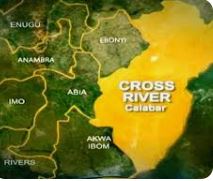
The Cross River State Signage and Advertisement Agency, CRISSAA, has fixed steep tariffs for outdoor campaign advertisements by political candidates ahead of the 2027 general elections. The tariffs, which range from N5 million to N150 million, have been met with criticism from some political parties.
According to the Director-General of CRISSAA, Ubong Sam, the tariffs are moderate compared to what is obtained in neighbouring states. However, the Peoples Democratic Party (PDP) and the Action Democratic Party (ADC) have described the charges as 'outrageous' and 'exorbitant', accusing CRISSAA of attempting to shut out less financially buoyant parties from using billboards for publicity.
Regulating Advertising Spaces
CRISSAA has introduced measures to regulate advertising spaces and ensure fairness among political parties and candidates. The agency has warned that defaulters risk having their campaign materials removed, paying fines, or facing prosecution before the Advertising Regulatory Council of Nigeria (ARCON).
The IPAC state chairman, Engr Effiom Edet, has backed the tariffs, describing them as fair, while the Special Adviser to the Governor on Inter-Party Affairs, Nkoyo Otu, has assured stakeholders of transparency in the process. However, the state chairman of the Action Democratic Party, Apostle Edet, and the Publicity Secretary of the Peoples Democratic Party, PDP, have kicked against the tariffs.
Why This Matters
The introduction of these steep tariffs has significant implications for the upcoming elections, as smaller parties may struggle to afford the costs of campaign advertisements. The fairness and transparency of the electoral process may be impacted, and the ability of all candidates to reach voters may be compromised, potentially affecting the outcome of the elections.