By Luminous Jannamike
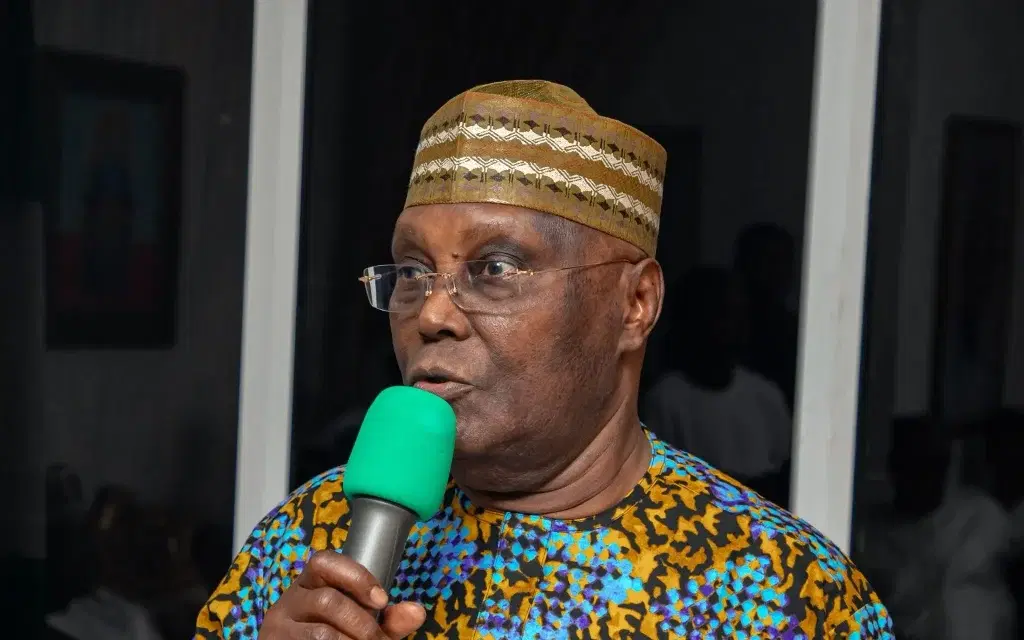
ABUJA – Former Vice President Atiku Abubakar has challenged President Bola Tinubu to explain changes to the Lagos–Calabar Coastal Highway, demanding a full account of contract payments and clarification of an alleged plan to borrow up to $20 billion for payments reportedly connected to the project
Atiku said the reported rerouting of sections of the highway had raised questions about the original contract, the cost of the revised design and whether Nigerians were being asked to shoulder additional debt without knowing what had already been paid or what remained to be done He also alleged that lawmakers were being pressured to approve the anticipated loan request.
In a statement on Monday by Phrank Shaibu, Director of Strategic Communication of the African Democratic Congress Presidential Campaign Council, Atiku accused the Tinubu administration of changing the project’s direction without providing Nigerians with a full account of the financial implications
“Tinubu sold Nigerians a coastal highway Now his Minister says parts of it will follow an existing road inland. That is not a minor adjustment to a drawing. It strikes at the promise used to sell this enormous project. When the route changes, the price must be opened. When the work changes, the payments must be explained,” he said.
Atiku called on Works Minister David Umahi to publish the original engineering studies and revised designs, questioning whether the government had adequately assessed the terrain, bridges and flood risks before awarding the contract
He also demanded a breakdown of work removed from the original contract, payments already made and the revised project cost
“You cannot change the work and refuse to change the bill,” Atiku said
The former vice president further challenged Tinubu to clarify whether his administration was preparing to seek a loan of up to $20 billion from the National Assembly and whether any portion of the proposed borrowing would finance payments connected to Hitech Construction Company
“Do not hide a contractor’s bill inside a national borrowing request Publish the proposed loan, the contract it would finance and the record of what has already been paid. If no such request exists, say so plainly and on the record,” he said.
Atiku also alleged that some lawmakers had been warned that funds for their election campaigns would be withheld unless they approved the anticipated loan request He urged the National Assembly leadership to investigate the allegation and ensure lawmakers had access to the proposed loan terms and project accounts before voting.
“We are informed that some lawmakers have been warned that funds for their election campaigns will be withheld unless they pass this request with the speed of light Who is making that threat? Whose money is being promised or withheld? And why should any legislator’s campaign depend on voting to put Nigerians in debt?” he asked.
He called for the publication of the original feasibility and environmental studies, route maps, Bills of Quantities, contract variations, Bureau of Public Procurement approvals, payment certificates and all borrowing proposals tied to the highway He also demanded a public hearing before the National Assembly considers further financing.
Atiku linked the controversy to what he described as a pattern of policy inconsistency under Tinubu, arguing that Nigerians already struggling with the cost-of-living crisis should not be saddled with additional financial obligations arising from poorly explained project changes
“This is the policy inconsistency that has defined Tinubu’s government and made an already severe cost of living crisis harder for Nigerians to bear Announce a plan. Change it without a full accounting. Then present the public with a bigger bill,” he said.
The allegations, if substantiated, could intensify scrutiny of the federal government’s management of the coastal highway, particularly over contract variations, public borrowing and the role of the National Assembly in authorising further financial commitments
Atiku insisted that no additional borrowing should proceed without full disclosure of the project’s contractual obligations, payments made and the justification for the proposed financing