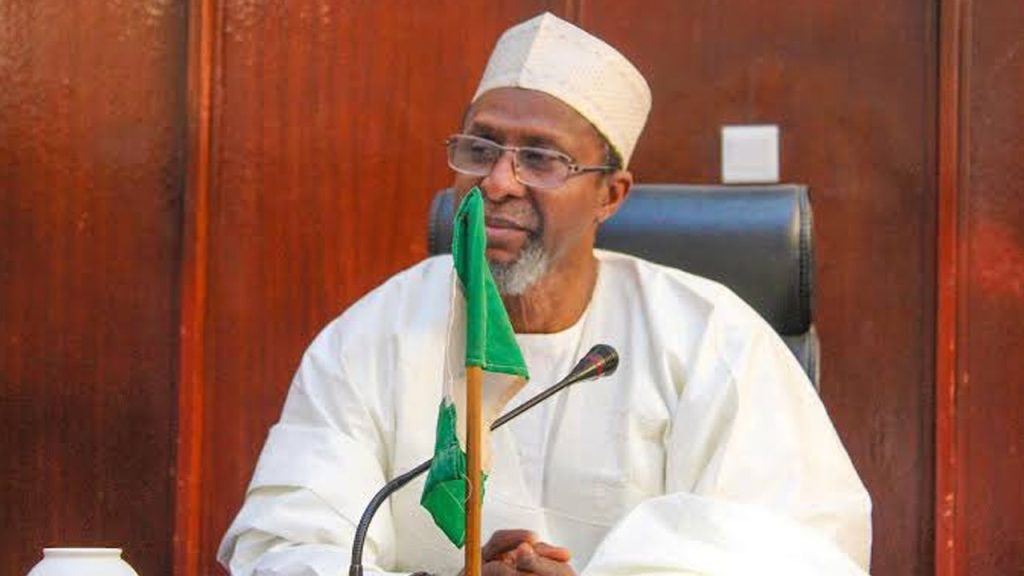
ABUJA — The Federal Government has said about $800 million is currently available in the international Loss and Damage Fund, describing the amount as inadequate to meet the financial needs of developing countries
The Minister of Environment, Balarabe Lawal, disclosed this on Thursday in Abuja at the launch of the third edition of the Subnational Climate Governance Performance Ratings and Ranking of Nigeria’s 36 states
Lawal said although the fund had begun accumulating resources, its current size remained far below the financial requirements of developing countries and commitments previously made by developed nations
He said Nigeria’s climate action at the subnational level would strengthen the country’s case for accessing international climate finance
According to the minister, this would be particularly important as Nigeria prepares for the forthcoming COP31 negotiations, where climate finance is expected to remain a major issue
Lawal urged state governments to strengthen their climate governance structures and demonstrate effective implementation of climate policies to improve Nigeria’s prospects of attracting international climate financing
He said climate change was no longer a distant environmental concern but an immediate economic and social security threat, with its effects evident in flooding, extreme heat, drought, desertification and increasing pressure on water and agricultural resources
The minister called on state governments to integrate climate considerations into their development plans, budgets and investment decisions
He also urged governors to establish clear links between policies, budgets, projects and measurable outcomes, stressing that effective climate action must extend to the state, local government and community levels
Lawal said the annual subnational climate governance ranking was designed as an accountability and management tool for assessing the capacity of states to respond to climate change
He explained that the assessment considers climate governance structures, integration of climate priorities into development plans and budgets, resource mobilisation, implementation of climate projects and measurable benefits to citizens
The minister urged states that performed well in the ranking to share their experiences with others, while encouraging those at the bottom to improve their performance
“The state that comes as number 36 can move and be number one There is nothing stopping them from doing that,” he said.
Earlier, the Director of the Department of Climate Change in the ministry, Dr Iniobong Abiola-Awe, said effective implementation of Nigeria’s Nationally Determined Contributions 30 and National Adaptation Plan would depend largely on action at the subnational level.
She urged governors to provide sustained political leadership and ensure that climate priorities were integrated into state development plans, budgets and sectoral programmes