Key Takeaways
- President Xi Jinping advocates for a fair, inclusive, and people-centered global AI governance system.
- He stressed the importance of international cooperation to manage AI's opportunities and risks effectively.
- Four key priorities for global collaboration include open innovation, strong safeguards, inclusive development, and enhanced multilateral cooperation under the UN.
- China pledged significant support, including 5,000 AI training opportunities for developing countries and establishing international AI application centers.
- The initiative aims to bridge the global digital divide and ensure AI benefits all of humanity.
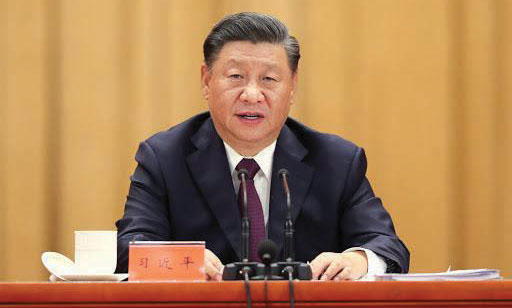
SHANGHAI – Chinese President Xi Jinping delivered a powerful address on Friday, calling for the establishment of a fair and inclusive global system for artificial intelligence (AI) governance. Speaking at the opening ceremony of the 2026 World AI Conference and High-Level Meeting on Global AI Governance in Shanghai, President Xi underscored the dual nature of AI, presenting both unprecedented opportunities for economic and social advancement and significant challenges related to governance, security, and ethics. He urged nations worldwide to strengthen international cooperation, ensuring that AI development genuinely benefits humanity while proactively addressing its burgeoning risks.
President Xi emphasized a people-centered approach to AI development, asserting that collective global action is essential to build “a just and equitable system for global AI governance.” His vision highlights the necessity of shared responsibility and collaboration in shaping the future of this transformative technology.
Four Pillars for International AI Cooperation
During his speech, President Xi outlined four critical priorities designed to guide international cooperation on AI:
- Openness and Collaboration: He called for greater transparency and joint efforts to drive innovation, advocating for open-source development, technology sharing, and the broader industrial application of AI to stimulate global economic growth.
- Stronger Safeguards: Xi stressed the imperative for robust measures to ensure AI remains secure and under human control. He urged governments to fortify laws, regulatory frameworks, monitoring systems, and emergency response mechanisms to prevent the misuse of AI, while cautioning against using national security concerns as a pretext to restrict legitimate international cooperation.
- Inclusive AI Development: The President championed AI development that respects cultural diversity and fosters exchanges among civilizations, rather than undermining distinct cultures and values. This approach aims to ensure AI serves a global tapestry of societies.
- Enhanced Multilateral Cooperation: Xi advocated for strengthened collaboration under the auspices of the United Nations to establish internationally accepted AI governance rules, technical standards, and regulatory frameworks. He also committed to supporting developing countries in building their AI capacity and actively narrowing the global digital divide.
China's Commitment to Global AI Advancement
Highlighting China’s domestic strides, President Xi noted that the nation’s core smart economy industries now exceed one trillion yuan in value, with AI playing an increasingly pivotal role across manufacturing, public services, and daily life. He affirmed China’s commitment to a safe, secure, and controllable AI development path, backed by strengthened regulatory and ethical frameworks.
China, Xi stated, remains dedicated to contributing to global AI governance through initiatives such as the Global AI Governance Initiative and its support for the UN General Assembly resolution on enhancing international cooperation in AI capacity building. The establishment of the World Artificial Intelligence Cooperation Organization (WAICO) in Shanghai was also hailed as a significant milestone, reflecting growing international collaboration, particularly among developing nations.
Concrete Pledges for a Shared Future
To further support global AI development, President Xi announced substantial commitments. Over the next five years, China will provide 5,000 training and seminar opportunities in artificial intelligence for developing countries. Additionally, China pledged to establish international AI application cooperation centers with key regional organizations, including ASEAN, the League of Arab States, the African Union, CELAC, the SCO, and BRICS. In a move to bolster global disaster preparedness, Xi also revealed that China would enable 30 countries to utilize its advanced AI-powered meteorological early warning system, MAZU.
Concluding his address, President Xi urged the international community to ensure that AI development is consistently guided by human wisdom, international consensus, and effective governance. He eloquently stated, “AI development should not be a solo performance by a single country, but a symphony of international cooperation,” reaffirming China’s unwavering commitment to working with other nations to harness AI for the collective benefit of humanity.
Why This Matters
President Xi's call for a unified global approach to AI governance is crucial for establishing common ethical standards and regulatory frameworks, preventing misuse, and ensuring that the transformative power of AI is equitably distributed across all nations, particularly benefiting developing countries.