Key Takeaways
- US President Donald Trump accused China of meddling in US election data
- China dismissed the claims as 'fabrications' and 'malicious smears'
- Trump's claims of voter fraud have never been substantiated
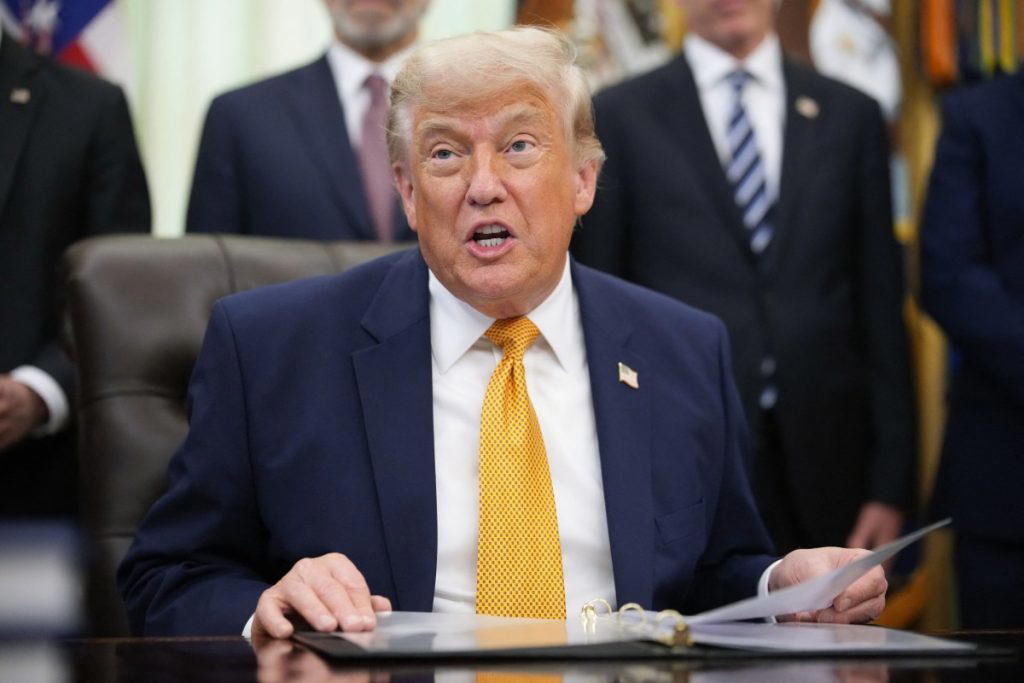
US President Donald Trump has sparked tension with Beijing after accusing China of interfering in the US election. In a White House address, Trump claimed that China had acquired 220 million voter files and urged lawmakers to adopt new restrictions on voting. However, these claims have been vehemently denied by China, with foreign ministry spokesperson Lin Jian describing them as 'pure fabrications' and 'malicious smears'.
Trump's claims of voter fraud have been a long-standing issue, with the President repeatedly claiming that the 2020 election was 'rigged'. However, these claims have never been substantiated, with over 60 lawsuits producing no ruling establishing fraud capable of changing the outcome. Additionally, recounts, audits, and Trump's own Justice Department have found no evidence of widespread voter fraud.
China has consistently denied any involvement in the US election, with Lin Jian stating that China has 'no interest' in the US election and has never interfered in it. Instead, China has accused the US of 'habitually interfering' in the internal affairs of other countries. The Chinese government has urged the US to 'reflect on its own actions' and stop making 'baseless smears' against China.
The dispute between the US and China has significant implications for the relationship between the two countries. The US and China are already engaged in a trade war, and these latest claims are likely to further strain relations. As the US prepares for midterm polls, the issue of voter fraud is likely to remain a contentious issue.
Why This Matters
The accusations of Chinese interference in the US election have significant implications for the relationship between the two countries, and highlight the need for greater transparency and cooperation in the electoral process. The ongoing dispute also underscores the importance of verifiable evidence in supporting claims of voter fraud, and the need for political leaders to avoid making unsubstantiated claims that can damage trust in the electoral system.