Key Takeaways
- CIA Deputy Director Michael Ellis publicly admitted US intelligence conducts economic espionage against China.
- Ellis justified the operations by citing China's "threat" to US economic security and the intertwined nature of their economies.
- Strategic sectors like semiconductors and biotechnology are identified as key intelligence targets.
- China's Commerce Ministry denounced the remarks as "bandit logic" and a manifestation of a "Cold War mentality."
- The incident significantly heightens diplomatic tensions ahead of a planned meeting between US President Donald Trump and Chinese President Xi Jinping.
A diplomatic firestorm erupted this week as China vehemently condemned remarks made by CIA Deputy Director Michael Ellis, who openly implied that US intelligence agencies are actively engaged in economic espionage against Beijing. The incendiary comments have significantly heightened tensions between the two global powers, coming less than two weeks before a critical leaders' meeting.
During a cybersecurity conference on Tuesday, Ellis articulated a shift in US intelligence strategy, stating that the United States was carrying out economic espionage operations specifically to counter what he termed the Chinese "threat." He elaborated on the rationale, explaining, “Our economy is intertwined with theirs,” a situation he believes gives Beijing potential leverage over Washington. Consequently, Ellis asserted, “the CIA has to respond differently.”
Ellis further detailed the necessity of these operations, emphasizing, “We have to be able to collect foreign intelligence relevant to that economic security dimension of the competition, which means we need expertise about how to collect that information, how to analyse it.” He specifically named strategic sectors such as semiconductors and biotechnology as prime "intelligence targets"—areas where the rivalry between the world's two largest economies is particularly intense and pivotal for future global dominance.
Beijing's reaction was swift and unequivocal. The Chinese Commerce Ministry issued a scathing statement on Friday, denouncing Ellis's remarks as a blatant example of "bandit logic." The ministry's statement did not mince words, declaring, “The US has bluntly declared that Chinese companies are legitimate targets of espionage, tearing away the fig leaf that once concealed intelligence agencies’ covert theft, and laying bare… the bandit logic of hegemony.”
The ministry further accused the United States of harboring a "Cold War mentality" and insisted that China’s technological advancements in fields like artificial intelligence or biotech “must never be treated as prey.” It also charged the US with “deliberately undermining fair competition” and “openly trampling on the norms of international trade,” threatening to take “necessary measures” to defend Chinese interests.
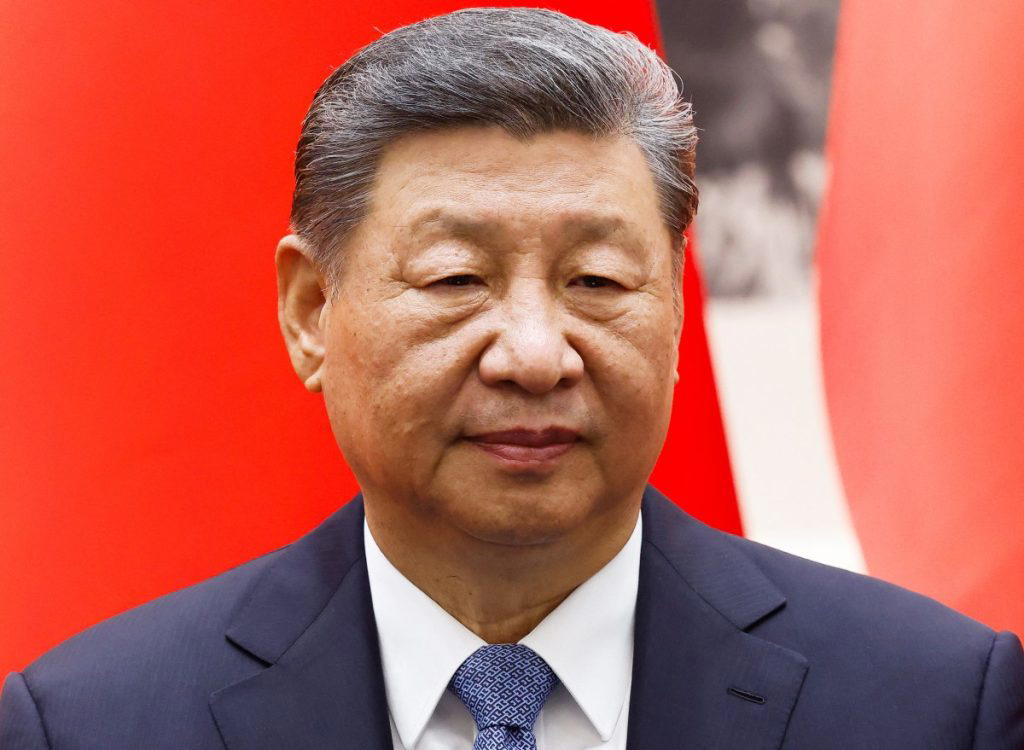
This latest diplomatic spat casts a long shadow over the eagerly anticipated meeting between US President Donald Trump and his Chinese counterpart Xi Jinping. According to Washington, the two leaders are expected to convene at the White House on September 24. The high-stakes encounter is expected to address critical issues including artificial intelligence and broader trade disputes, making the timing of Ellis's admission particularly sensitive.
The public acknowledgment of economic espionage, while perhaps not entirely surprising to geopolitical observers, represents a significant and provocative declaration. It underscores the deep-seated distrust and escalating strategic competition that defines the relationship between Washington and Beijing. The rivalry in these high-tech domains is not merely about market share; it's about future global leadership, national security, and the very architecture of the global economy.
Why This Matters
The public acknowledgment of economic espionage by a senior US intelligence official, followed by China's fierce condemnation, underscores the profound and escalating distrust between the world's two largest economies. This incident not only complicates immediate diplomatic efforts but also signals a deepening of the strategic competition, particularly in critical technological sectors, with potential long-term implications for global trade and stability.