Key Takeaways
- Former Kaduna Central senator Shehu Sani says Catholic Bishops have a history of speaking truth to power
- Catholic Bishops' Conference of Nigeria (CBCN) expressed concerns over the country's economic situation to President Tinubu
- Cardinal John Onaiyekan alleged that the president is not receiving accurate briefings on the country's realities
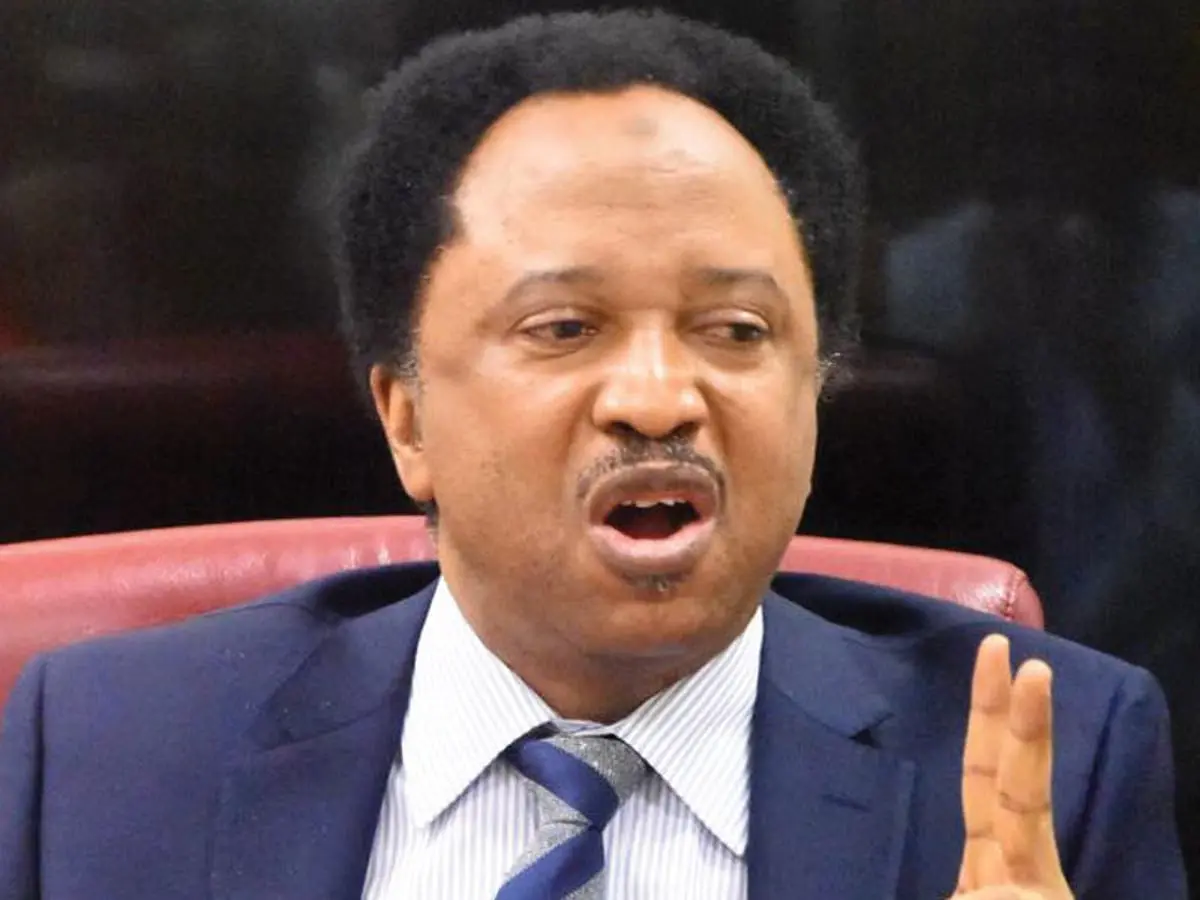
Former senator Shehu Sani has come to the defense of the Catholic Bishops, stating that they have a long-standing tradition of speaking truth to power, regardless of the government in place. Sani's comments come amid a debate sparked by remarks made by Cardinal John Onaiyekan, the former Archbishop of Abuja, on President Bola Ahmed Tinubu's administration.
Cardinal Onaiyekan, during an appearance on Arise Television's Prime Time programme, revealed that the Catholic Bishops' Conference of Nigeria (CBCN) had expressed concerns to President Tinubu over the country's economic situation and its impact on poor Nigerians. He also alleged that the president was not receiving accurate briefings on the realities confronting the country, and warned that the government's actions could threaten the credibility of the electoral process.
The Debate Unfolds
However, Daniel Bwala, Special Adviser to President Tinubu on Policy Communication, defended his principal, stating that Cardinal Onaiyekan's remarks were politically motivated. Bwala also argued that the cardinal was speaking only for Catholics and not for all Christians, and that he was more political than spiritual.
In response, Shehu Sani took to his X handle to express his support for the Catholic Bishops, stating that they have consistently spoken truth to power since the era of military rule. Sani emphasized that the bishops have never been partisan in their dealings with political leaders, and that they have always presented every president they visited with bitter kola instead of olive oil, symbolizing their commitment to truth and integrity.
Why This Matters
The debate surrounding the Catholic Bishops' critique of President Tinubu's administration highlights the importance of speaking truth to power and the need for accurate and unbiased information in governance. As the country navigates its economic and political challenges, the role of religious leaders and other stakeholders in promoting transparency and accountability will be crucial in shaping the nation's future.