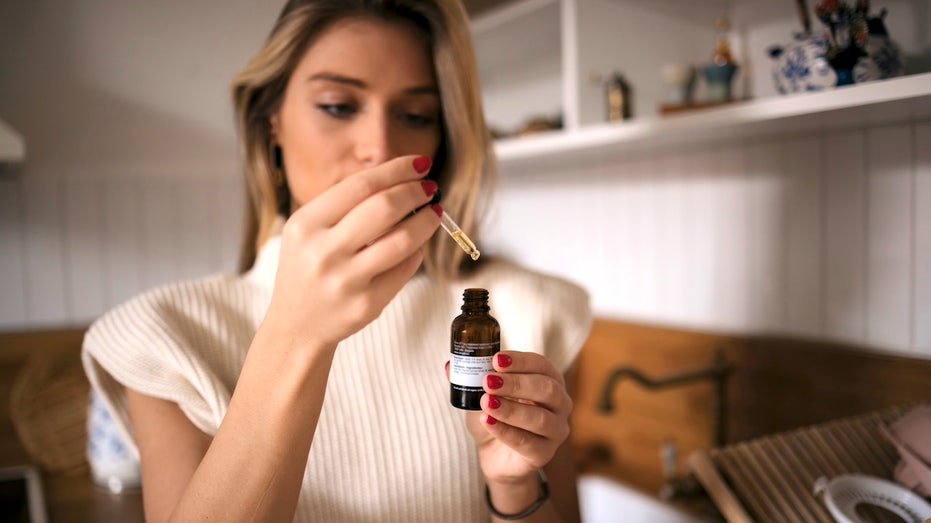
Major Study Challenges Cannabis Effectiveness for Mental Health Treatment
A new, extensive body of research casts significant doubt on the widespread belief that cannabis-based treatments are effective primary interventions for most mental health and substance-use disorders. The findings suggest that for many conditions, the risks may outweigh any potential benefits, potentially delaying access to proven therapies.
Unpacking the Comprehensive Review
Researchers at the University of Sydney, Australia, conducted a rigorous review of 54 randomized controlled trials spanning from 1980 to 2025. These trials, involving 2,477 participants (predominantly male, averaging 33 years old), focused specifically on cannabinoids – the active substances in cannabis – as the primary treatment for various psychiatric and addiction-related conditions. The impactful paper was published in the prestigious journal, The Lancet Psychiatry.
Despite the growing popularity of cannabis products in the U.S., U.K., and Australia for conditions like depression, anxiety, and PTSD, the review found “no evidence to suggest they are effective in treating these conditions.”
Key Findings: Limited Efficacy, Higher Risks
The analysis revealed a concerning trend: cannabis-based treatments are “rarely justified” for routine use across many mental health conditions. Furthermore, participants receiving cannabinoid treatments experienced an approximately 75% higher risk of adverse side effects compared to control groups.
- No Significant Benefit Found: The study found cannabinoids offered no significant benefit for anxiety disorders, psychotic disorders, PTSD, or opioid use disorder.
- Insufficient Data: There was not enough data to conclusively determine cannabis's effect on ADHD, bipolar disorder, OCD, or tobacco use disorder. Notably, no randomized trials for depression met the strict review criteria.
- Limited, Low-Quality Promise: A few conditions showed some, albeit low-quality, evidence of potential benefit. These included treating cannabis use disorder, insomnia, and Tourette’s symptoms.
Dr. Jack Wilson, the lead study author from the University of Sydney, warned in a press release that these findings “call into question the approval of medicinal cannabis for the treatment of depression, anxiety.” He emphasized that the routine use of medicinal cannabis could be “doing more harm than good by worsening — for example, a greater risk of psychotic symptoms and developing cannabis use disorder, and delaying the use of more effective treatments.”
It's important to note that the researchers acknowledged existing evidence supporting medicinal cannabis for certain other health conditions, such as reducing epileptic seizures, multiple sclerosis symptoms, and specific types of chronic pain.
Expert Insights: Navigating the Complex Landscape
Dr. Thea Gallagher, Clinical Associate Professor at NYU Grossman School of Medicine
Dr. Thea Gallagher, who was not involved in the study, underscored the significance of this new research, comparing its robust methodology to prior studies that often relied on smaller sample sizes, shorter follow-up periods, or self-reported data which cannot establish causation. “Earlier studies often used synthetic cannabinoids or low-THC formulations that don’t reflect today’s real-world products,” she told Fox News Digital. “This new review is the most comprehensive attempt to date to evaluate cannabis specifically for anxiety, depression and PTSD.”
Gallagher reiterated that while cannabis does have legitimate medical applications, mental health conditions “are not necessarily among them at this time.” She cautioned that “using cannabis to manage emotional distress may delay access to proven treatments,” adding a critical warning for individuals with a personal or family history of psychosis to be “especially cautious.”
Advice for Cannabis Users from Dr. Gallagher
Dr. Gallagher offered practical advice for individuals currently using cannabis, particularly for mental well-being:
- Monitor Changes: Pay close attention to changes in mood, motivation, sleep, anxiety, concentration, and social engagement over time.
- Watch for Red Flags: Be vigilant for signs such as needing higher doses, using cannabis primarily to cope with stress, increased paranoia, or feeling mentally ‘foggy.’
- Seek External Feedback: Check in with trusted friends or family members for their observations.
- Consider Tolerance Breaks: Take periodic breaks from cannabis to assess whether it is genuinely helping or merely masking underlying issues.
- Seek Professional Support: If mood or daily functioning begin to decline, consult with a healthcare professional.
Dr. Jessica Watrous, Clinical Psychologist and Chief Clinical Officer at Modern Health
Dr. Jessica Watrous, also not involved in the study, highlighted the broader societal context, acknowledging that mental healthcare in many countries can be "expensive, hard to navigate and difficult to access.” This, she noted, makes it “not necessarily surprising that people are looking for more immediate, easier-to-access ways to manage how they’re feeling.”
However, Watrous echoed the study authors' core concern: “by using a more immediately available, but less evidence-backed intervention, it may delay getting support that does have strong evidence of effectiveness.” She urged individuals to prioritize their mental health with the same diligence as their physical health, advocating for engagement in “clinically proven mental health support, whether that’s therapy, coaching, meditation, or just working in small moments of self-care every day.”
Understanding the Study's Context and Limitations
The researchers also noted some inherent limitations and complexities within the studies reviewed. Almost half (44%) of the trials were deemed at high risk for bias, meaning their design or reporting methods might render their findings less reliable. Additionally, the studies involved a diverse mix of product types, doses, durations, and patient groups, which can make direct comparisons and interpretations more challenging.
Dr. Gallagher further pointed out the discrepancy between controlled clinical trials and real-world usage. “Clinical trial conditions differ from real‑world use, where people often consume higher doses, with more frequency, and sometimes alongside alcohol or nicotine,” she explained. This distinction is crucial for understanding the full impact of cannabis outside of regulated research settings.
The comprehensive review serves as a critical call for evidence-based decision-making in the use of cannabis for mental health, encouraging both clinicians and individuals to prioritize well-researched, effective treatments.