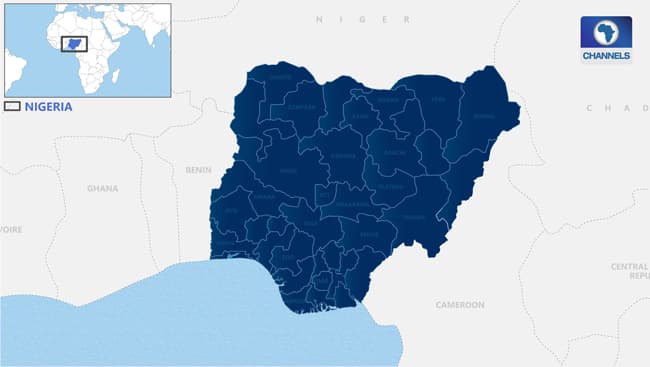
Somewhere in Nigeria, a child’s future is decided in seconds—the brief sting of a vaccine, a cry, then silence. It is a quiet act of protection, repeated millions of times.
But today, that moment may be hanging in the balance. Behind every vial is a race against time, funding gaps, and a system struggling to keep pace with its own ambition.
Nigeria’s goal of achieving 90 per cent immunisation coverage by 2030 is now under pressure. Despite increased allocations—from ₦137 billion in 2024 to ₦231.7 billion in 2025—the reality is sobering: funds are budgeted, but not fully released.
According to the Federal Ministry of Health, Nigeria needs about $430 million annually for vaccines. Yet, 75 per cent of the 2024 allocation was not disbursed, raising fears that life-saving programmes could stall.
The Executive Director of the National Primary Health Care Development Agency, Dr Muyi Aina, noted signs of progress.
“What we have seen is a continuation of the progress,” he said.
But the gap remains wide. “The amount spent on vaccination is like a drop of water in an ocean…”one expert warned.
While Nigeria has improved routine immunisation coverage in recent years, funding bottlenecks continue to threaten sustainability, especially in underserved areas.
Timing is everything in immunisation. Vaccines take months to procure, leaving no room for bureaucratic delays. A delay today could mean shortages tomorrow—what experts describe as a potential “stock-out” crisis.
Even when vaccines arrive, another hurdle emerges: weak primary healthcare systems. Authorities have repeatedly stressed the need to strengthen frontline facilities delivering maternal and child health services.
This aligns with government-backed reforms aimed at revitalising primary healthcare, a cornerstone of Nigeria’s immunisation drive.
Nigeria’s immunisation challenge is not just financial—it is social. The country still has an estimated 2.1 million “zero-dose” children. Yet, there are powerful signs of change.
“Some people thought that this vaccine is not good… but I see… it is good for my children,” a parent said.
This reflects a broader shift — growing awareness, community engagement, and increasing trust in vaccines.
Government Push, Global Stakes
Government authorities have repeatedly emphasised immunisation as central to reducing child mortality and improving maternal health outcomes. Through agencies like the NPHCDA, efforts are ongoing to expand coverage, particularly in hard-to-reach communities.
But Nigeria’s heavy reliance on partners such as Gavi and UNICEF raises sustainability concerns. The push now is toward self-reliance—ensuring domestic financing can carry the weight.
Experts agree that success will depend on four pillars: expanding access, strengthening primary healthcare, tackling vaccine hesitancy, and—most critically—ensuring that allocated funds are actually released.
UN Warns Progress Slowing
Globally, progress in reducing child mortality is slowing, the UN said in a report Tuesday, with an estimated 4.9 million children worldwide dying in 2024 before reaching the age of five.
“Most of these deaths are preventable with proven, low-cost interventions and access to quality health care,” said the joint report by the World Health Organisation and UNICEF.
The organisations noted that the number of deaths among children under five has fallen by more than half since 2000. But since 2015, the pace of this decline has slowed by more than 60 per cent.
Child deaths remain heavily concentrated in a few regions: in 2024, sub-Saharan Africa accounted for 58 per cent of all these deaths and South Asia for one-quarter.
Of the 4.9 million children who died worldwide, the report estimated that 100,000 of them, aged one to 59 months, died from severe malnutrition.
“The toll is far greater when indirect effects are considered, as malnutrition weakens children’s immunity and increases their risk of dying from common childhood diseases,” the report said.
The main causes of newborn mortality are complications related to premature births (36 per cent of cases) and those occurring during labour and delivery (21 per cent).
Beyond the first month of life, preventable infectious diseases such as malaria, diarrhea, and pneumonia remain major causes of death.
“Evidence shows that investments in child health remain among the most cost-effective development measures,” the report said.
Low-cost interventions, such as vaccines, treatment for severe acute malnutrition, and skilled care at birth, “deliver some of the highest returns in global health, improving productivity, strengthening economies and reducing future public spending.”
The stakes could not be higher. Immunisation is one of the most effective tools in public health. Delays risk outbreaks, strain the healthcare system, and reverse gains in child survival.
But if Nigeria succeeds, it could redefine healthcare delivery—not just at home, but across Africa. For now, the race continues—against time, against gaps, and for the lives of millions.