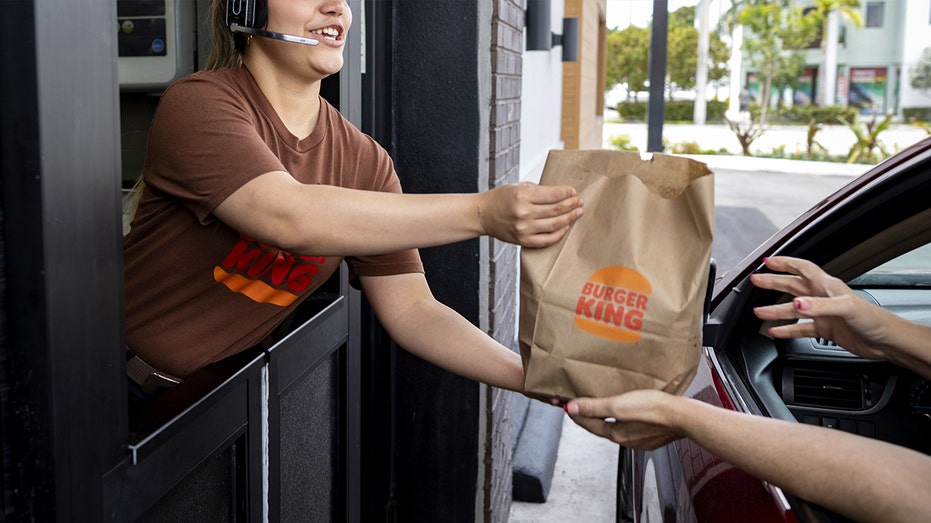
Burger King's AI Revolution: Patty's Arrival
Get ready for a friendlier drive-thru experience at Burger King, courtesy of Patty, the new AI assistant. Patty's mission is to elevate customer interactions and streamline operations, but it's sparking a conversation about the boundaries of AI in the workplace.
The Patty Experience
Patty, powered by OpenAI technology, listens for specific phrases like greetings and polite expressions, generating reports for managers to ensure consistent customer service. But Patty's capabilities go beyond manners.
- Daily Operations: Patty assists with kitchen tasks, providing answers to recipe and equipment questions.
- Inventory Management: It identifies shortages and alerts managers, helping to prevent out-of-stock items.
- Data Analysis: By tracking unavailable items, Patty influences menu decisions, such as the return of customer favorites.
Burger King initially tested Patty in 100 U.S. restaurants and is now expanding to 500 more, aiming for a nationwide rollout by the end of the year.
AI in Fast Food: A Competitive Landscape
Burger King is not alone in embracing AI. Rivals like Wendy's, Taco Bell, and McDonald's have also experimented with AI-driven solutions, focusing on ordering and drive-thru efficiency. However, Burger King's approach is unique in its emphasis on employee-customer interactions.
Coaching or Monitoring?
While Burger King positions Patty as a coaching tool, critics argue that constant monitoring can create a stressful work environment. Social media reactions highlight concerns about privacy and the potential for unfair scrutiny. This debate extends beyond fast food, as AI's role in performance measurement becomes more prevalent in various industries.
As AI continues to infiltrate human-centric spaces, the question of where to draw the line between coaching and monitoring remains a critical topic for businesses and employees alike.
The Future of AI in Fast Food
For customers, AI-driven improvements could mean faster service, fewer out-of-stock items, and a more consistent experience. However, for employees, the increased data tracking may lead to heightened accountability and stress. As AI quietly integrates into every transaction, the industry must navigate the delicate balance between efficiency and employee well-being.
The debate over Patty's role invites a broader discussion on the ethical implementation of AI in the workplace, where the power dynamics between employers, employees, and technology are constantly evolving.