Key Takeaways
- BUA Group is investing $85 million in the expansion of its Port Harcourt terminal.
- The expansion aims to handle over two million tonnes of raw materials annually.
- Nigerian Ports Authority projects double-digit growth in cargo throughput from this investment.
- The expansion is crucial for the logistics backbone of BUA Foods as it grows its operations.
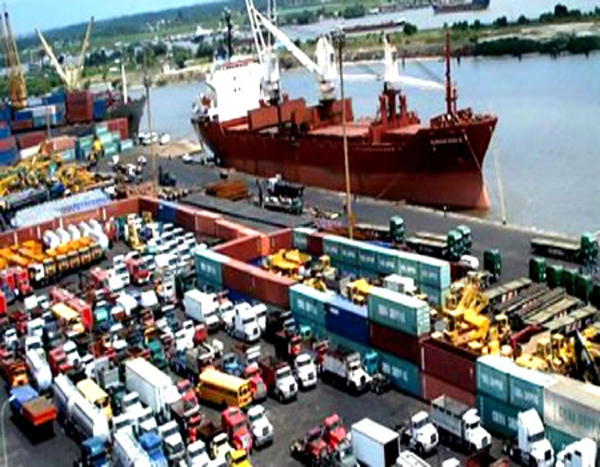
In a bold move to enhance its operational capabilities, BUA Group has announced an investment of about $85 million aimed at expanding its BUA Ports and Terminals in Port Harcourt. This strategic initiative is designed to facilitate the handling of over two million tonnes of imported raw materials annually, crucial for sustaining the growth of its food production business.
During a recent meeting with Dr. Abubakar Dantsoho, Managing Director of the Nigerian Ports Authority (NPA), Abdul Samad Rabiu, the Chairman of BUA Group, shared insights on the progress of this expansion project. Rabiu took the opportunity to express gratitude to the NPA for its ongoing support and outlined the significant advancements made so far in the project.
Rabiu highlighted the importance of this expansion, noting its role in reinforcing the logistics backbone of BUA Foods. "As we expand, the need for robust port infrastructure becomes critical to meet our increasing operational demands," he emphasized. He pointed out that after the completion of the expansion, which is expected to wrap up next year, the port will be able to accommodate substantial quantities of materials necessary for production.
The Chairman elaborated that this substantial maritime investment includes an enhancement valued at around $80 to $85 million and will result in approximately 600 meters of additional quay space. This new facility is anticipated to not only bolster BUA’s logistics but also contribute significantly to the overall competitive landscape of Nigeria's ports.
In discussing the broader implications of the investment, Dantsoho projected double-digit growth in both cargo throughput and revenue, making it a vital element for enhancing trade in Nigeria's eastern port regions. He asserted that such developments are pivotal for Nigeria to achieve its full economic potential, particularly in its port infrastructure, which historically lags behind more developed economies.
Rabiu commended the NPA management for its competence and acknowledged the positive changes under President Bola Tinubu's leadership. He also remarked on the historical challenges faced by the Port Harcourt terminal, noting past threats to its acquisition rights but celebrating the current era of support from the NPA.
While echoing similar sentiments, Dantsoho reiterated the authority’s commitment to collaborating with private investors to enhance efficiency and unlock greater value from Nigeria's port system. He emphasized that increased cargo volumes will lead to greater revenue generation, stimulating economic activities across the region.
As Nigeria’s ports strive for global recognition, the expansion of BUA’s facility is a promising step toward transforming the country's maritime infrastructure, fostering trade and industrial growth.
Why This Matters
Improving Nigeria's port infrastructure is essential for the economy, especially in boosting trade efficiency and enhancing competitive positioning in global markets. This investment marks a significant step forward for the country’s maritime capabilities.