Key Takeaways
- President Lula da Silva asserts that U.S. leadership requires adherence to constitutional checks and balances regarding military threats.
- The Brazilian leader is advocating for a structural reform of the UN Security Council to include more representation from the Global South.
- Lula emphasizes that powerful nations must prioritize peace over unilateral intimidation tactics.
A Clash of Ideologies on the Global Stage
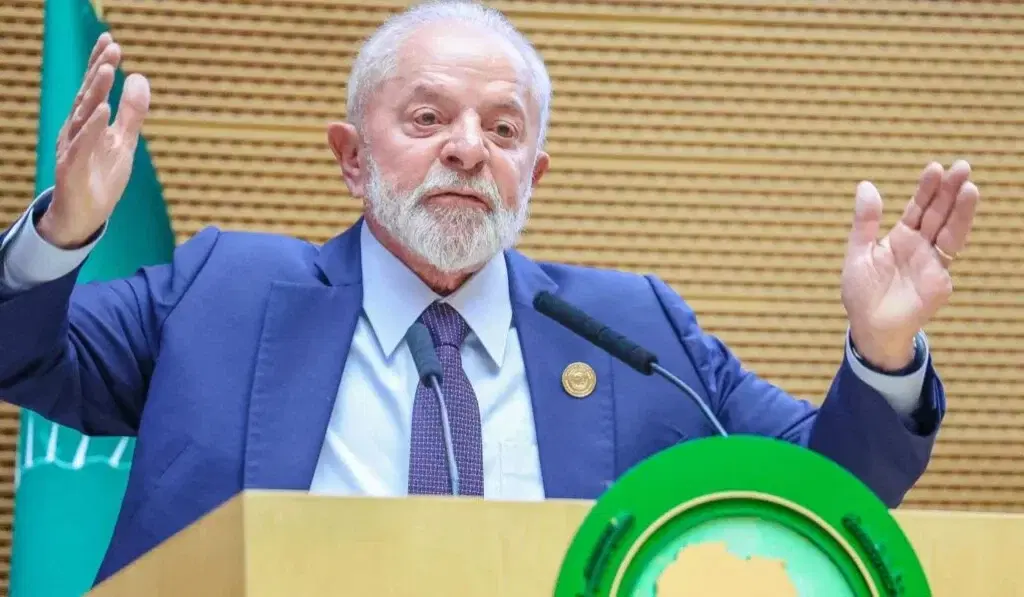
In a pointed critique of American foreign policy, Brazilian President Luiz Inacio Lula da Silva has publicly challenged U.S. President Donald Trump, arguing that the American leader lacks the authority to issue unilateral threats against sovereign nations. The comments, delivered during an interview with the Spanish daily El Pais, were prompted by Trump’s recent warnings regarding the Strait of Hormuz, where he suggested that Iran could face existential consequences if it failed to comply with U.S. demands.
Lula, a veteran leftist figure, reminded the international community that the U.S. Constitution mandates a division of power between the executive branch and Congress regarding military engagement. By suggesting that Trump’s morning declarations of hostility undermine democratic norms, Lula underscored the necessity for greater responsibility among world leaders. The two presidents, who represent starkly different approaches to multilateralism, climate change, and international trade, continue to navigate a complex and often strained bilateral relationship.
The Urgent Need for UN Reform
Beyond his critique of U.S. policy, President Lula utilized the platform to renew his long-standing campaign for the reform of the United Nations Security Council. He argued that the current structure, which grants veto power to only five permanent members, is a relic of the post-World War II era that no longer reflects the realities of the 21st century. Lula proposed that the council must be expanded to include more nations from Africa and Latin America to regain its lost legitimacy.
“It is time to redefine the United Nations to give it credibility,” Lula stated, acknowledging that the current system’s perceived ineffectiveness has provided fuel for critics like Trump who argue that international institutions are failing. This call for reform comes as Lula prepares for a high-profile diplomatic visit to Spain, where he is scheduled to meet with Prime Minister Pedro Sanchez and participate in a forum of progressive leaders alongside heads of state from Mexico and South Africa.
Why This Matters
Lula’s remarks highlight the deepening divide between Western powers and emerging economies regarding the future of global governance. His push for a more inclusive UN reflects a growing desire among Global South nations to move away from unilateralism toward a more balanced, multipolar international order.