Key Takeaways
- Uterine fibroids are a widespread public health concern in Nigeria, often leading to severe symptoms and significant emotional and financial strain.
- Many Nigerian women face delayed diagnosis, often accepting symptoms as 'normal' or fearing surgical intervention.
- Black women, including those in Nigeria, are disproportionately affected, developing fibroids more frequently, at younger ages, and with greater severity.
- Emerging scientific evidence suggests that nutrition, lifestyle choices, and vitamin D status can play a crucial role in preventing or delaying fibroid development and managing symptoms.
- There's a growing call to shift the conversation from solely surgical treatment to proactive prevention and early intervention through public health education.
The Silent Epidemic: Uterine Fibroids in Nigeria
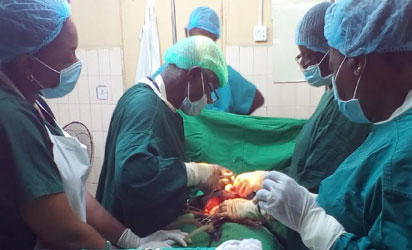
For countless Nigerian women, the diagnosis of uterine fibroids, or leiomyomas, often brings more apprehension than reassurance. These non-cancerous growths within or around the uterus are a pervasive health issue, frequently discovered after years of enduring debilitating symptoms like painful menstrual periods, heavy bleeding, chronic pelvic pain, or challenges with conception. By the time many seek medical help, surgery is often presented as the primary, if not sole, recourse.
Across Nigeria, stories of women postponing life events, struggling with infertility, or undertaking arduous journeys for treatment are increasingly common. Families often rally to fund expensive surgeries, and religious communities offer special prayers for those hoping to conceive post-myomectomy. A significant number endure symptoms for years, mistakenly believing their pain is 'normal,' while others avoid hospitals altogether, fearing a hysterectomy—the removal of the womb. These are not isolated incidents; they underscore a growing public health crisis demanding far greater attention.
While the focus has traditionally been on surgical and pharmaceutical interventions, a critical question often remains unasked: Can some cases of uterine fibroids be prevented, or at least their progression slowed, through healthier nutrition and lifestyle choices? Recent scientific evidence suggests the answer may be more encouraging than many realize.
Beyond the Physical: Emotional and Financial Toll
Uterine fibroids are estimated to affect 70 to 80 percent of women during their reproductive years globally, making them the most common non-cancerous tumour. While many women remain asymptomatic, for millions, fibroids become a source of chronic pain, severe menstrual bleeding, anaemia, recurrent miscarriages, and infertility. In many Nigerian communities, these symptoms are often normalized, leading to delayed diagnosis and treatment. The emotional and financial burdens are immense, with women frequently missing work and families incurring substantial out-of-pocket expenses for treatment. The financial impact in Nigeria, where healthcare costs are predominantly patient-funded, is arguably even more devastating than in developed nations.
Understanding the Disparity: Why Black Women Face Higher Risk
A crucial, yet often overlooked, aspect of fibroid research is the significant racial disparity. Studies consistently show that Black women develop fibroids more frequently, at younger ages, and often experience larger tumours and more severe symptoms compared to women from other racial groups. They are also more likely to require surgical treatment during their reproductive years. Scientists attribute this to a complex interplay of genetic predispositions, hormonal factors, environmental exposures, vitamin D deficiency, and systemic issues related to healthcare access and social determinants of health. For Nigeria, with its vast population of women of reproductive age, these findings are profoundly significant, highlighting a critical need for targeted awareness and preventive education.
Shifting the Paradigm: From Treatment to Proactive Prevention
For decades, the medical approach to fibroids has largely focused on monitoring growth until symptoms necessitate medication or surgery. While these treatments are vital, they often fail to address the underlying factors contributing to fibroid development. However, recent scientific evidence offers a more encouraging perspective: nutrition and lifestyle choices, while not a complete cure, are increasingly recognized as powerful influences on fibroid development, growth rate, and symptom severity.
Researchers worldwide are now exploring how factors like diet, vitamin D status, body weight, physical activity, stress management, and environmental exposures play meaningful roles. This emerging body of evidence suggests that healthy lifestyle choices can not only enhance overall well-being but also serve as valuable tools in reducing the burden of uterine fibroids. This shift in thinking could transform how fibroids are approached in Nigeria—moving beyond a condition solely treated after diagnosis to a women's health issue deserving of early education, preventive action, and national attention.
Why This Matters
The growing understanding of fibroids underscores an urgent need for a paradigm shift in women's healthcare, particularly in Nigeria. By empowering women with knowledge about modifiable lifestyle factors and promoting early intervention, public health initiatives can significantly reduce the prevalence and severity of this debilitating condition, ultimately improving the quality of life for millions.