Key Takeaways
- Nigeria advocates for increased intra-African trade and sustainable infrastructure financing to boost economic growth.
- Emphasis is placed on domestic resource mobilization and local processing of raw materials to retain economic value.
- The nation pursues 'strategic autonomy' in foreign policy, engaging global powers based on national interests.
- Reliable electricity, efficient transportation, and digital connectivity are identified as critical infrastructure needs.
- Reforms to international credit rating systems and improved investment environments are crucial for attracting long-term capital.
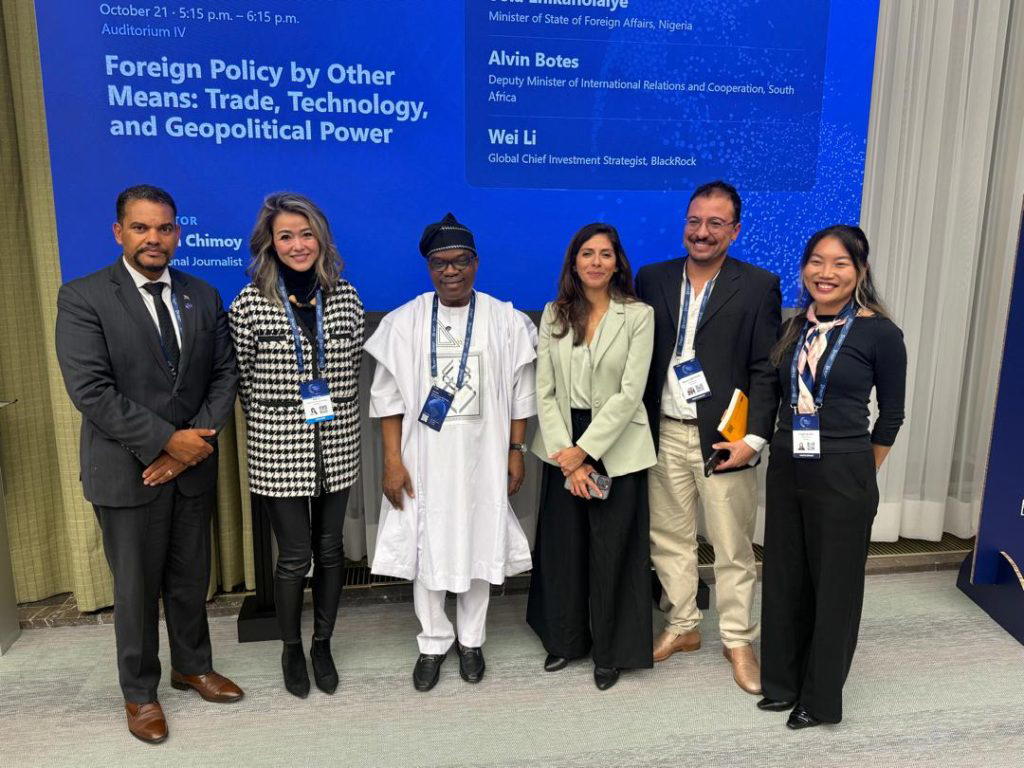
ABUJA – Nigeria has called for increased trade among African countries and sustainable infrastructure financing to boost economic growth, attract investment, and create opportunities for the continent’s growing population. At the Berlin Global Dialogue 2026 in Germany, Sola Enikanolaiye, Nigeria's Minister of State for Foreign Affairs, outlined the nation's position on trade, technology, foreign policy, and infrastructure investment.
In a statement by his Special Assistant Raphael Oni, Minister Enikanolaiye stressed Africa's need for partnerships based on national sovereignty and mutual respect.