Key Takeaways
- Atiku Abubakar labels former President Obasanjo's bribery allegations as politically motivated, aimed at the 2027 presidential election.
- He questions the timing of the allegations, noting they surfaced only after the alleged principal witness, Ghali Umar Na’Abba, passed away.
- Atiku challenges Obasanjo to publicly declare his political preference for 2027 instead of using 'stale allegations.'
- The former Vice President links Obasanjo's continued hostility to his own opposition to a third-term agenda during their time in office.
- Atiku states his focus remains on current national issues like economic hardship and insecurity, rather than historical political disputes.
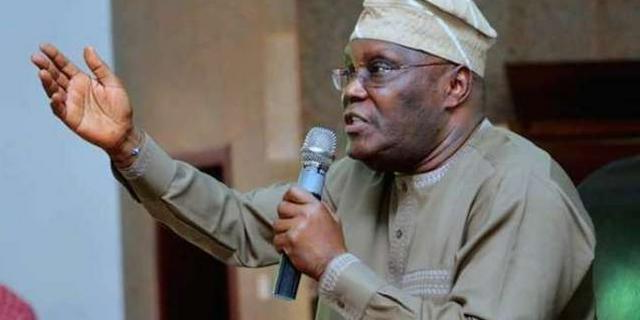
The political landscape of Nigeria is once again abuzz with a fiery exchange between two of its most prominent figures: former Vice President Atiku Abubakar and ex-President Olusegun Obasanjo. Atiku, the presidential candidate of the African Democratic Congress (ADC), has strongly refuted Obasanjo’s recent claims that he attempted to bribe the late Rt. Hon. Ghali Umar Na’Abba to facilitate Obasanjo’s impeachment, branding the accusations as a politically charged strategy designed to influence the upcoming 2027 presidential election.
In a statement released on Friday by his Senior Special Assistant on Public Communication, Phrank Shaibu, Atiku articulated that the timing of these allegations is highly suspect. He suggested that the primary objective is to tarnish his reputation and confer an undue political advantage upon a candidate favored by the former President. “Coming at a time when the political landscape ahead of the 2027 general election is taking shape, the obvious objective is to besmirch my person and reputation and confer an undeserved political advantage on the former President’s kinsman,” Shaibu stated, adding that Nigerians are discerning enough to see through such tactics.
Questioning the Timing and Motive
Atiku’s camp urged Obasanjo to be more transparent about his political leanings, suggesting that if the former President has indeed taken a political stance for 2027, he should declare it openly. This, they argue, would allow Nigerians to evaluate his position on its own merits, rather than through what they describe as unverifiable allegations. A significant point of contention raised by Atiku is why Obasanjo chose to make these serious claims only after Na’Abba’s death, thereby denying the public the opportunity to hear the other side of the story from the alleged principal witness.
Furthermore, Atiku insisted that the allegations lack any form of judicial or official backing. He challenged the premise, asking why, if there was genuine evidence of criminal conduct, no action was taken by a government that possessed the full powers of the Nigerian state at the time. This line of questioning underscores the perceived lack of credibility in the resurfaced claims.
Echoes of Past Political Battles
The former Vice President also drew a direct link between Obasanjo’s persistent hostility and his own steadfast opposition to a third-term agenda for the former President. Atiku recounted how he defended democratic principles and successfully asserted his constitutional rights through a series of landmark legal victories against a sitting President. “Those battles are now part of Nigeria’s democratic history. It is evident that the bitterness arising from that defining period has failed to leave former President Obasanjo,” Atiku remarked, highlighting a long-standing political rift.
Despite the renewed political skirmish, Atiku affirmed his commitment to not be drawn into historical political disputes. He emphasized that his focus remains squarely on addressing the pressing challenges currently facing the nation, including economic hardship, insecurity, unemployment, and widespread hunger. “Our focus remains unwavering: offering credible alternatives, defending democracy, demanding accountability and working with all patriotic Nigerians to restore competent, transparent and people-centred leadership to our country. Nigerians deserve solutions to today’s problems, not recycled political tales from yesterday,” Atiku concluded, signaling a desire to move past the old grievances and concentrate on contemporary issues.
Why This Matters
This public spat between two influential political figures highlights the deep-seated rivalries that continue to shape Nigeria's political landscape, especially as the 2027 presidential election draws closer. It underscores the potential for historical grievances to be weaponized for contemporary political gain, diverting attention from critical national issues and potentially influencing public perception.