Key Takeaways
- The Tinubu Support Group (TSG) in the Southeast has launched a rally in Awka, Anambra State, to mobilize support for President Bola Tinubu's 2027 re-election bid.
- Deputy Speaker of the House of Representatives, Benjamin Kalu, and other prominent APC figures urged voters to back the party's candidates across all levels.
- Local APC leaders in Anambra State expressed dissatisfaction, alleging that the national party leadership is overly relying on the All Progressives Grand Alliance (APGA) for votes.
- Anambra APC State Secretary, Sir Obiora Okpala, called for greater recognition and inclusion of the state chapter in political arrangements.
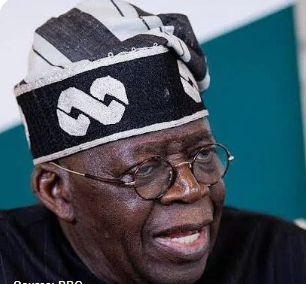
The political landscape in Nigeria is already buzzing with activity as the Tinubu Support Group (TSG) in the Southeast zone officially commenced its campaign for President Bola Tinubu's re-election in 2027. Led by former All Progressives Congress (APC) National Auditor, Sir Paul Chukwuma, the group held a significant rally in Awka, the capital of Anambra State, signaling an early and determined push to consolidate support in a region historically challenging for the ruling party.
The event drew several high-profile APC stalwarts, including the Deputy Speaker of the House of Representatives, Benjamin Kalu. Addressing the enthusiastic crowd, Kalu passionately urged voters across the Southeast to throw their weight behind APC candidates at all levels in the upcoming 2027 general elections. His call underscored the party's ambition to expand its footprint beyond its traditional strongholds and secure a more diverse mandate.
Echoing Kalu's sentiments, Sir Paul Chukwuma, a former governorship candidate in Anambra State, and Uche Ekwunife, the APC senatorial candidate for Anambra Central, also appealed to the electorate. They expressed unwavering confidence that the APC would garner substantial votes across the five Southeast states, asserting that President Tinubu's actions and policies since assuming office have resonated positively with the people of the region. This optimistic outlook suggests a belief that the administration's initiatives are beginning to yield tangible benefits and build goodwill.
However, the rally was not without its undercurrents of internal discord. Reports indicate that some APC leaders within Anambra State voiced considerable dissatisfaction with what they described as the national party leadership's strategy. Their primary concern revolved around a perceived over-reliance on the strength of the All Progressives Grand Alliance (APGA) to secure votes for President Tinubu in the state. Anambra, being an APGA stronghold, presents a unique challenge for the APC, and local party members feel their efforts are being sidelined.
Sir Obiora Okpala, the APC state secretary in Anambra, articulated these concerns, emphasizing the need for the party's state chapter to be adequately recognized and carried along in all political arrangements. He argued that given APC's status as the ruling party at the national level and a significant political stakeholder in Anambra, it should not be overshadowed by APGA. Okpala contended that giving APGA what he termed 'undue advantage' over the APC in Anambra could undermine the local party structure and its dedicated members.
The early launch of this campaign highlights the strategic importance of the Southeast to President Tinubu's re-election aspirations. Historically, the region has often leaned towards opposition parties, making any significant inroads by the APC a crucial victory. The internal wrangling within the Anambra APC, however, underscores the complex dynamics at play and the delicate balance required to unite various political interests under a common banner. Navigating these challenges will be paramount for the APC as it seeks to solidify its base and expand its influence ahead of the 2027 polls.
Why This Matters
The early commencement of President Tinubu's re-election campaign in the Southeast, coupled with internal party friction, signals the intense political maneuvering already underway for 2027. This development is crucial as it reveals the strategic importance of the Southeast region to the ruling party's ambitions and highlights the complex challenges of unifying diverse political interests within a single party structure.