Key Takeaways
- Amazon has integrated a new communication verification tool into Alexa for Shopping, allowing customers to confirm the authenticity of suspicious messages.
- Users can describe emails, texts, or phone calls to Alexa, which then cross-references the details with Amazon's official communication records.
- The tool provides clear answers: confirming legitimacy, indicating a mismatch, or suggesting alternative verification methods.
- This feature directly addresses the approximately 360,000 annual customer inquiries regarding potential Amazon scams.
- Beyond Alexa, Amazon offers other verification channels, including forwarding suspicious emails to verify@amazon.com and a dedicated customer service form.
- Submissions to Alexa's verification tool are automatically reported to Amazon's customer protection team, aiding in the identification of new scam campaigns.
- Despite these advancements, customers are urged to remain vigilant, avoid clicking suspicious links, and always verify information through official Amazon apps or websites.
In an era where digital deception is increasingly sophisticated, Amazon is empowering its vast customer base with a new defense mechanism: an integrated scam verification tool within Alexa for Shopping. This innovative feature arrives as a direct response to the relentless wave of phishing attempts and impersonation scams that frequently target Amazon users, often leveraging the company's widespread familiarity and trust.
Scammers have long exploited the ubiquity of Amazon, crafting convincing fake messages that mimic delivery warnings, account alerts, or urgent security notifications. These deceptive communications often look authentic enough to make even the most cautious individuals pause. Previously, customers' primary recourse was to contact Amazon customer service, a process that, while effective, generated hundreds of thousands of inquiries annually.
How Alexa Becomes Your Scam Shield
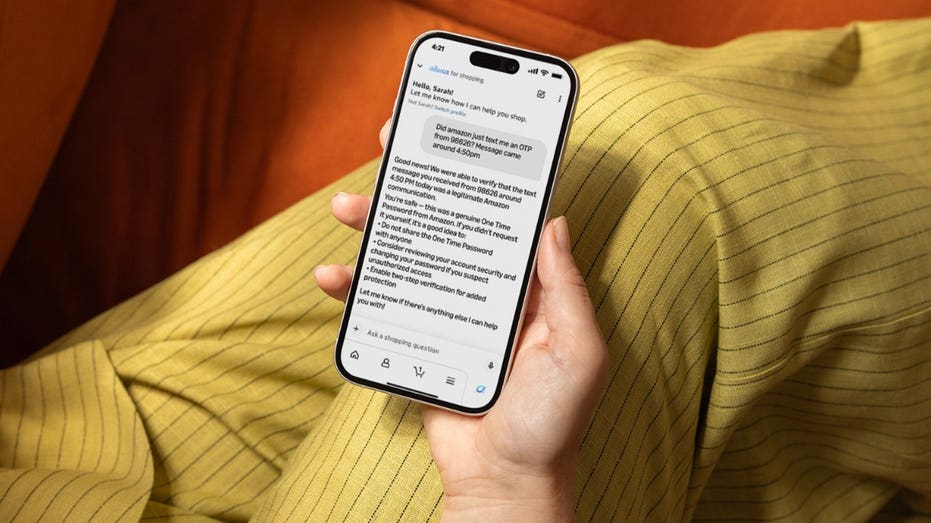
Amazon's new verification tool is designed to provide immediate clarity. U.S. customers can now ask Alexa for Shopping whether an email, text message, phone call, or other communication genuinely originated from Amazon. This capability is built into the existing Alexa for Shopping functionality, which typically assists users with product searches and order management, and notably, does not require a Prime membership.
To use the feature, customers simply describe the suspicious communication to Alexa. For instance, one might ask, 'Did Amazon send me a text about a delivery problem yesterday?' or 'Was that Prime membership email from Amazon?' Users can even provide details about a phone call from someone claiming to offer an exclusive deal. Alexa then cross-references the provided information – including sender details, message content, timing, and formatting – against Amazon's extensive communication records.
This method offers a significant advantage over generic scam detection tools that merely flag suspicious wording or dangerous links. By comparing a message directly with its own generated communications, Amazon's system can confirm legitimacy with a high degree of confidence. If a match is found, Alexa will confirm the message's authenticity and may even provide additional details. Conversely, if the information doesn't align with Amazon's records, Alexa will inform the user that the communication does not appear to be official.
Beyond Alexa: A Multi-Layered Defense
Should Alexa be unable to verify a communication with absolute certainty, Amazon provides further steps. Customers can submit more detailed information or utilize other established verification options. Earlier this year, Amazon launched verify@amazon.com, a global service where anyone can forward a suspicious message for verification, regardless of whether they have an Amazon account. Additionally, a communication verification form is available through Amazon's official customer service pages, offering another avenue for confirmation.
An important aspect of the new Alexa feature is its proactive role in combating broader scam campaigns. When a customer asks Alexa to verify a suspicious communication, that submission is automatically reported to Amazon's customer protection and enforcement team. This aggregated data helps Amazon identify emerging scam patterns, track bad actors, and take swifter action to protect its entire customer base.
Staying Vigilant in a Shifting Landscape
Despite these advanced tools, the fundamental principles of online safety remain paramount. Scammers thrive on urgency and fear, often pressuring recipients to act immediately by threatening account closure or package delays. The safest response to any suspicious message is always to avoid clicking embedded links. Instead, navigate directly to the official Amazon app or website and check your account status there.
Customers should also be wary of requests for payment via gift cards, as Amazon explicitly states it will never ask for gift cards to resolve account issues. Similarly, Amazon will never request passwords or one-time passcodes over the phone. If a caller demands such sensitive information, it's crucial to end the call and contact Amazon through official channels independently. Even caller ID can be spoofed, so seeing 'Amazon' on your screen doesn't guarantee authenticity.
To further enhance protection, strong antivirus software is recommended to guard against malicious websites and downloads. While technology provides powerful safeguards, personal vigilance and a healthy skepticism towards unexpected or urgent communications are the ultimate defense against evolving cyber threats.
Why This Matters
The introduction of Alexa's scam verification tool marks a significant step in Amazon's ongoing battle against digital fraud, offering customers an immediate and accessible way to discern legitimate communications from deceptive ones. By empowering users with direct verification capabilities and leveraging reported data to proactively counter scam campaigns, Amazon is not only protecting individual accounts but also strengthening the overall security ecosystem against increasingly sophisticated cybercriminals.