Key Takeaways
- Labour Party leadership in the South-West has publicly declared support for President Bola Tinubu’s 2027 re-election bid.
- The decision is framed as a regional alignment, with leaders arguing the presidency should remain in the South-West for an eight-year cycle.
- Abayomi Arabambi has definitively ruled out the return of 2023 presidential candidate Peter Obi to the party.
- Internal friction persists as party figures clash over the influence of former Finance Minister Nenadi Usman.
A Strategic Political Realignment
In a move that has sent shockwaves through Nigeria’s political landscape, the National Vice Chairman of the Labour Party (LP) for the South-West, Abayomi Arabambi, has confirmed that the party’s leadership has reached a consensus to support President Bola Tinubu’s re-election bid in 2027. This declaration, made during a recent interview on News Central, marks a significant departure from the party’s previous opposition stance and suggests a calculated pivot in the party’s national strategy.
The Rationale Behind the Alliance
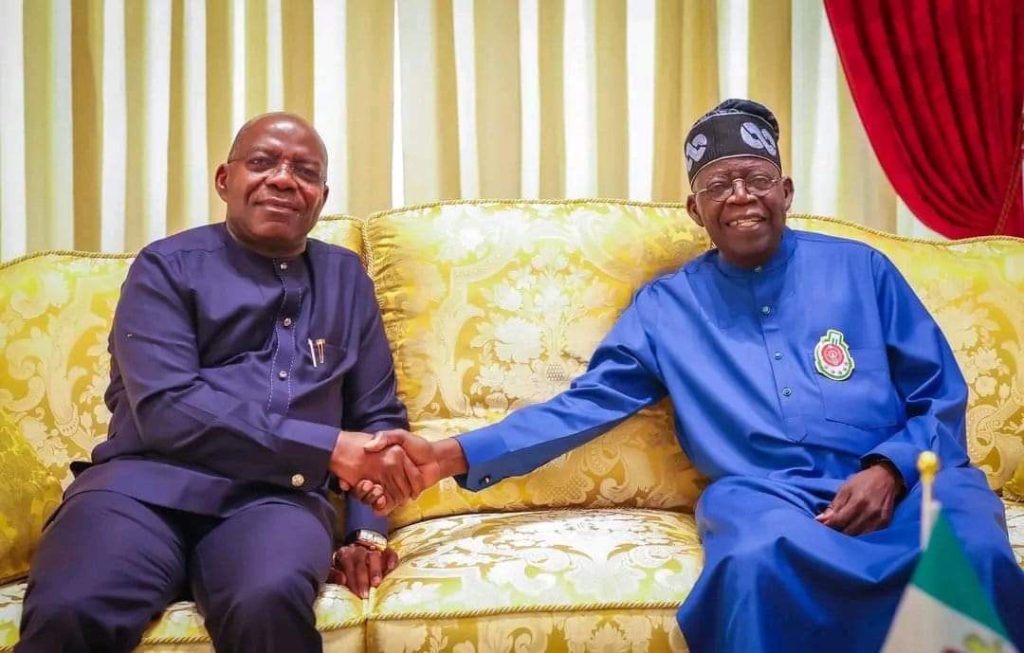
Arabambi emphasized that the decision was not made in isolation but was a result of an agreement in principle involving key stakeholders, including Abia State Governor Alex Otti. According to Arabambi, the core motivation for this support is regional stability. He argued that the current presidency belongs to the South-West, and the party’s leadership believes it is essential for the region to complete a full eight-year term. This narrative positions the Labour Party as a pragmatic player willing to align with the incumbent to ensure political continuity.
Closing the Door on Peter Obi
The announcement also served to clarify the party’s position regarding its 2023 presidential candidate, Peter Obi. Amidst ongoing rumors and efforts by figures like former Finance Minister Nenadi Usman to facilitate Obi’s return to the Labour Party, Arabambi was unequivocal in his rejection of the prospect. He cited the "intractable crisis" that has plagued the party as a primary reason why a reunion with Obi is no longer on the table. Arabambi dismissed Usman’s efforts as a futile attempt to secure a political future for the former Anambra governor, alleging that she is acting as an agent for his interests.
Internal Tensions and Future Outlook
The internal discord within the Labour Party remains palpable. Arabambi’s sharp criticism of Nenadi Usman highlights a deep-seated divide between those pushing for a new direction and those attempting to restore the party’s 2023 coalition. By publicly urging Usman to abandon her efforts, Arabambi has signaled that the current leadership is committed to its new path, regardless of external pressure or sponsorship. As the 2027 election cycle approaches, this shift in the Labour Party’s stance will undoubtedly influence the broader political discourse and the formation of future electoral coalitions.
Why This Matters
This development signals a major fracture in the opposition’s front, potentially strengthening the incumbent's position while leaving the Labour Party’s future identity and electoral viability in a state of significant uncertainty.