Key Takeaways
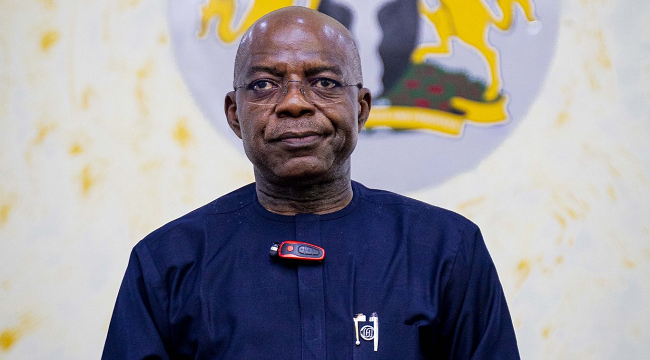
- Governor Alex Otti praised President Tinubu's economic reforms but later hesitated to endorse him for reelection.
- Otti's conflicting statements reflect his struggle for political balance amid divided public opinion in Abia State.
- The rapid political landscape is evolving as elections approach, placing Otti’s leadership position under scrutiny.
On July 21, during a visit to Abia State, First Lady Senator Remi Tinubu was warmly received by Governor Alex Otti. In his tribute, Otti celebrated his administration's efforts, particularly highlighting President Bola Ahmed Tinubu's bold decisions to eliminate the petrol subsidy and float the naira. Otti argued that these moves, although initially unpopular, had significant positive effects, enabling several states to pay salaries and invest in infrastructure development.
However, just a day later, the narrative shifted dramatically. In a meeting with a reporter on July 22, Otti expressed uncertainty about aligning with his fellow South-East governors—who had collectively decided to support Tinubu's reelection. His reluctance to publicly acknowledge his stance left many questioning his true feelings toward the president, leading to perceptions of evasiveness. This juxtaposition between his prior commendation and his current reluctance raised eyebrows among voters and political analysts alike.
Critics argue that Otti's indecisiveness may stem from his political history. As a governor who initially rose to prominence on the wave of Peter Obi's support, Otti risks alienating a demographic that views Tinubu unfavorably. Acknowledging the president's accomplishments could ignite backlash from the remnants of the Obidient movement, but failing to support him threatens to undermine his access to federal resources crucial for his administration.
Interestingly, Otti's refusal to commit during a straightforward inquiry hinted at deeper political calculations influencing his responses. Positioned at a regional event in his own state, Otti faced no immediate repercussions for a candid answer. His reluctance suggests that he may not be prepared for confrontation around these pivotal political topics, raising concerns about his readiness in more demanding situations.
The irony is palpable; Otti found himself retracting a statement he seemed happy to make just 48 hours earlier. The South-East governors' support for Tinubu was not a casual decision, but rather a considered response to the developments under his governance—such as the establishment of the first development commission for the region and significant infrastructure projects in progress. These advancements highlight Tinubu's tangible influence in the area, which Otti had initially celebrated.
As the election season looms, the pressure mounts on Otti to clarify his position. The voters of Abia and the South-East deserve clarity and confidence from their governor. Otti's consistent avoidance of a definitive stance may be interpreted as a lack of political courage, leaving many to wonder what foundation his leadership truly stands upon.
Why This Matters
The unfolding political dynamics in Nigeria demand transparency and integrity from leaders like Alex Otti, particularly as elections approach. Clear communication from elected officials is essential for maintaining public trust and ensuring informed voting decisions.