Key Takeaways
- Air Peace reports over N2 billion in losses due to recent aviation union picketing.
- Unions demanded remittance of a 5% Ticket Sales Charge (TSC) and unrestricted worker unionization.
- The industrial action, backed by NLC and TUC, disrupted operations at major airports.
- Air Peace's COO holds unions liable for losses and potential passenger compensation.
- The airline cites a Federal High Court judgment from April 2024 that declared union actions unlawful and unconstitutional.
- Concerns raised over airport security breaches and alleged physical assaults on Air Peace employees.
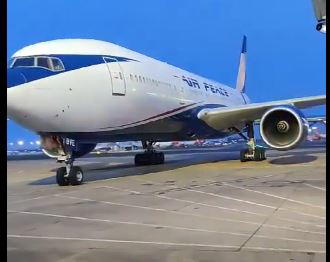
Nigeria's largest airline, Air Peace, has revealed a staggering financial hit exceeding N2 billion following a disruptive industrial action by aviation unions on Wednesday. The picketing, which brought operations to a standstill at key airports, underscores escalating tensions between airlines and labor organizations over worker rights and financial obligations.
The Genesis of the Dispute
The industrial action stemmed from a three-day ultimatum issued on August 7 by the National Union of Air Transport Employees (NUATE) and the Air Transport Services Senior Staff Association of Nigeria (ATSSSAN). The unions' demands, directed at the Airline Operators of Nigeria (AON), centered on two critical issues: the immediate remittance of the five per cent Ticket Sales Charge (TSC) and an end to what they described as the "continued refusal by some airlines to allow the unfettered unionisation of their workers."
The Ticket Sales Charge (TSC) is a statutory levy collected on air tickets, intended to fund aviation agencies. Its remittance has frequently been a point of contention, with unions arguing that airlines often delay or withhold these funds, impacting the agencies' operational capacity and, by extension, worker welfare. The demand for unfettered unionization highlights a long-standing struggle in the private sector, where some employers are perceived to resist the formation or recognition of labor unions among their staff, thereby limiting collective bargaining rights.
Widespread Disruption and Allegations of Violence
When negotiations failed to resolve these contentious issues, NUATE and ATSSSAN, with the formidable backing of the Nigeria Labour Congress (NLC) and the Trade Union Congress (TUC), proceeded with the planned industrial action. Air Peace's operations were specifically targeted, with picketing activities observed at the Murtala Muhammed Airport in Lagos and the Nnamdi Azikiwe International Airport in Abuja. This disruption led to widespread flight cancellations and delays, stranding thousands of passengers and causing significant logistical nightmares.
In a press briefing at Air Peace's Lagos headquarters, Chief Operating Officer, Oluwatoyin Olajide, vehemently condemned the unions' actions. She asserted that should affected passengers seek compensation for their disrupted journeys, the unions responsible for the picketing would be held directly accountable for the financial and reputational consequences. Olajide also called upon the Federal Government, security agencies, airport authorities, and aviation regulators to launch a thorough and independent investigation into the incident.
"The disruption has caused significant financial damage to Air Peace, estimated at over N2 billion, while thousands of passengers had their journeys disrupted," Olajide stated. "Our passengers equally have constitutional rights, including the right to travel without unlawful interference." She further alleged that some Air Peace employees were physically assaulted during the picketing, including a female staff member who was reportedly left "bleeding and bruised." "We ask: how can workers' rights be defended by violently attacking workers exercising their own constitutional rights?" she questioned, highlighting the paradox of the unions' actions.
Legal Precedent and Security Breaches
The airline's management also pointed to a crucial legal precedent. Olajide revealed that the unions' actions constituted a "flagrant disrespect and disregard of extant laws and the subsisting judgement of the Federal High Court of Nigeria obtained on April 26, 2024." This judgment, secured by Air Peace staff and employees against the NLC, TUC, NUATE, and other unions, declared it "unlawful and unconstitutional" for these unions to coerce Air Peace employees into union membership against their will. The court also issued a perpetual injunction restraining the unions from harassing employees or instigating any breach of peace that could harm staff or damage airline property.
Furthermore, the judgment explicitly ordered the Nigeria Police Force to ensure compliance nationwide. Air Peace argues that the picketing activity violated International Civil Aviation Organization (ICAO) and Nigerian Civil Aviation Regulations (NCAR) security regulations, classifying it as an "act of unlawful interference" punishable under aviation laws. "The union members involved may be subject to no-fly or arrest abroad if the matter is taken up appropriately," Olajide warned, urging unions to "watch and never cross the red line again."
The incident also raised serious questions about airport security protocols. "How were individuals able to gain access to and disrupt operations within a highly controlled airport environment?" Olajide queried. "Airports are sensitive national assets, and such violence should never be allowed to occur with impunity." This breach of security, coupled with the financial losses, has reportedly caused concern among Air Peace's international partners and aircraft lessors, potentially impacting confidence in Nigeria's aviation business environment.
Why This Matters
This escalating dispute between Air Peace and aviation unions highlights systemic issues within Nigeria's aviation sector, from the enforcement of statutory levies like the TSC to the fundamental rights of workers and employers regarding unionization. The incident not only inflicted substantial financial losses on a key national airline and disrupted thousands of passenger journeys but also exposed vulnerabilities in airport security and raised concerns about the rule of law, potentially deterring foreign investment and impacting Nigeria's standing in the global aviation community.