Key Takeaways
- Nasarawa Governor Abdullahi Sule discusses the factors behind the APC's defeat in Osun.
- He emphasizes the influence of incumbent governors on election outcomes.
- The APC has rejected the results and called into question the election process.
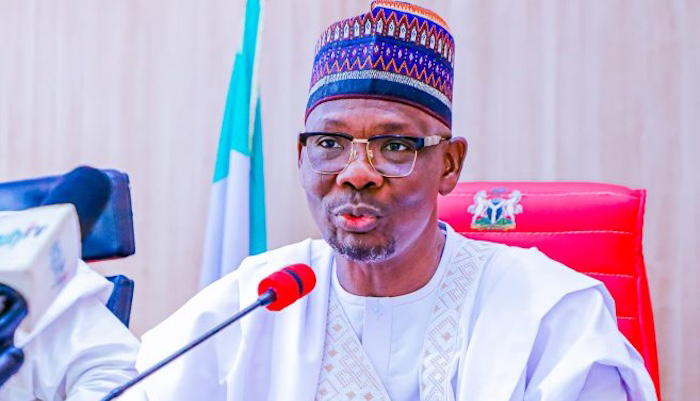
LAFIA — The recent governorship election in Osun State has sparked significant political discourse, with Nasarawa State Governor Abdullahi Sule commenting on the implications of the results for his party, the All Progressives Congress (APC). In a press briefing held in Lafia, Sule attributed the APC's defeat to the meddling of what he terms 'Abuja politicians', reflecting on the broader dynamics unfolding in Nigerian politics.
Governor Ademola Adeleke, representing the Accord Party, emerged victorious in the August 15 election, convincingly defeating APC candidate Bola Oyebamiji, as well as Najeem Salaam from the African Democratic Congress (ADC) and 13 other competitors. Adeleke garnered a total of 511,067 votes, while Oyebamiji trailed with 444,815 votes, and Salaam received only 17,180 votes.
The election's outcome saw Adeleke winning in 19 out of the 30 local government areas, underscoring his influence and the power held by an incumbent governor. Sule remarked on the significant advantage provided by incumbency, stating, “The power of a sitting governor is not something you can joke around. That’s the message that was sent actually in Osun.”
In the wake of the election, reactions have poured in from all corners, including a congratulatory message from President Bola Tinubu directed at Adeleke, further illustrating the high stakes involved in the contest. Amid the congratulatory messages, the APC officially rejected the results, expressing concerns about the electoral process.
Sule went on to elaborate on how activities from certain Abuja politicians undermined the APC's campaign, further suggesting that the party's loss should not be seen as a nationwide repudiation of Tinubu's federal administration. Instead, he insisted it was a reflection of the unique political landscape present in Osun, shaped heavily by the advantages possessed by the sitting governor and his established political machinery.
“For those who are celebrating, they may not fully grasp the implications of what they are celebrating,” he noted, drawing attention to the real power dynamics at play. Sule concluded by reinforcing that the dynamics of local leadership remain pivotal in shaping electoral outcomes, particularly in a contest as significant as the governorship election.
Why This Matters
This analysis from Governor Sule highlights the complexities of electoral politics in Nigeria, where incumbency and external political influences can dramatically shift outcomes. As the APC contemplates its strategy moving forward, the reflections on this election will be crucial for its future endeavors.