Key Takeaways
- Femi Falana, SAN, is urging the Federal Government to reopen investigations into the 1998 death of Chief MKO Abiola.
- The Oputa Panel reportedly concluded Abiola's death was linked to his incarceration and denial of adequate medical attention.
- Evidence from security officials and global figures continues to raise questions about Abiola's final hours in custody.
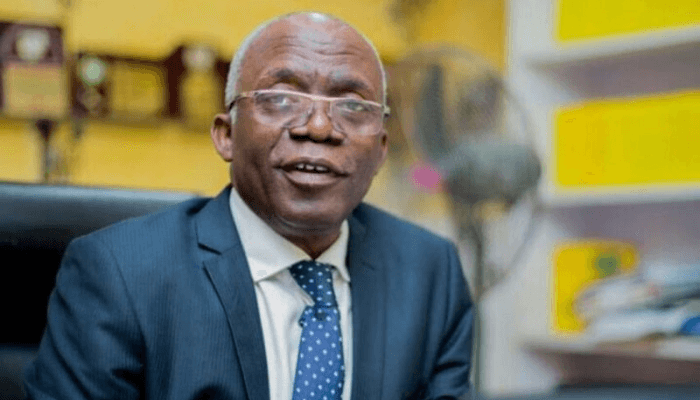
LAGOS — Human rights lawyer Femi Falana, SAN, has renewed demands for the Federal Government to reopen investigations into the death of Chief Moshood Kashimawo Olawale Abiola, the presumed winner of Nigeria's June 12, 1993 presidential election.
Falana, who represented the Abiola family before the Oputa Panel on Human Rights Abuse, says a fresh inquiry is necessary to establish the full circumstances surrounding Abiola's death and address unresolved questions from evidence already presented.
Background: A Detained President
Abiola was widely recognized as the winner of the annulled June 12, 1993 poll. He declared himself president on June 12, 1994, and was subsequently arrested by the military government of General Sani Abacha. He remained in custody for about four years, despite growing concerns about his health.
Archbishop Desmond Tutu, who visited Nigeria in April 1998, reportedly called for Abiola's release so he could receive proper medical care. After Abacha died on June 8, 1998, General Abdulsalami Abubakar took over as Head of State. Several political prisoners were freed, but Abiola remained in detention.
On July 7, 1998, Abiola died shortly after meeting a visiting American delegation.
What the Oputa Panel Found
The Oputa Panel, established by the Olusegun Obasanjo administration, examined human rights abuses during military rule. Falana notes that Abubakar declined to appear before the panel. In his recently published autobiography, Call of Duty, the former military leader rejected allegations of poisoning and relied on an autopsy by foreign pathologists attributing Abiola's death to natural causes.
Falana argues that the medical evidence did not settle the matter. He points to the account of Susan Rice, a member of the American delegation, who observed signs of ill health in Abiola. He also recalls testimony from ACP Zadok, Abiola's security officer from 1996 to 1998. Zadok told the panel he routinely tasted Abiola's food and water, but was removed from duty on the day of the American delegation's visit. Major A.S. Aliyu, then Chief Security Officer to the Head of State, confirmed that Rice served tea to Abiola without first tasting it.
Former United Nations Secretary-General Kofi Annan, in his memoir, reportedly acknowledged that Abiola had been denied adequate medical care throughout his incarceration. Annan also disclosed that he urged Abubakar to release Abiola, but the military government wanted Abiola to abandon his presidential claim as a condition for release.
Calls for a Definitive Answer
The Oputa Panel concluded that Abiola's death was the result of his incarceration and denial of adequate medical attention, describing the circumstances as suspicious. It recommended a thorough investigation to determine the actual cause of death.
Falana insists that recommendation remains relevant, especially because Abubakar and the American delegation continue to deny any involvement. He is asking the Federal Government to act without further delay.
A fresh investigation, Falana says, would throw light on what killed Chief Moshood Abiola while he was in the custody of the Abubakar military government and finally provide Nigerians with a definitive account of his final days.
Why This Matters
Reopening the inquiry into MKO Abiola's death is not just about historical closure; it is a test of Nigeria's commitment to truth and accountability for state actions. Without a genuine investigation, the suspicions that have lingered for decades will continue to undermine public trust in the country's justice system.