Key Takeaways
- Calls for tighter border controls in Europe could affect Africans' travel plans
- Proposals to restrict free movement to EU nationals may lead to additional checks or travel requirements for non-EU residents
- Africans already face significant challenges when applying for European visas, with high rejection rates
- Changes to visa policies could have wider implications for tourism, education, business, employment, and family travel
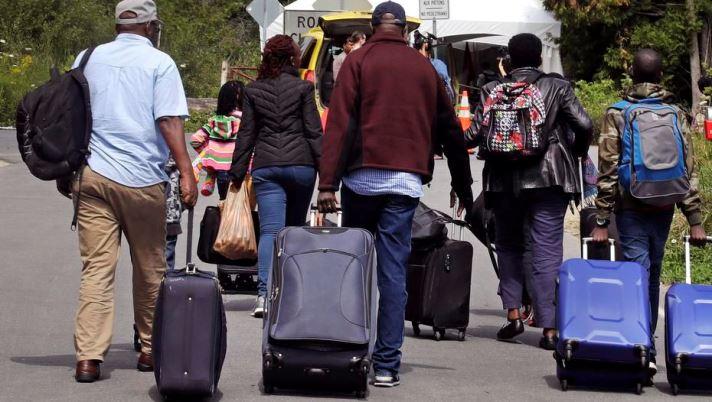
The debate over tighter border controls in Europe has intensified following a rise in irregular migration to Spain, with about 49,000 migrants from Morocco reportedly arriving in the country. French presidential hopeful Marine Le Pen has called for France to strengthen its borders and restrict free movement within the Schengen Area to European Union nationals. While the proposal remains a political position rather than an official European Union policy, any major changes to Europe's border and travel system could have significant implications for Africans.
The Schengen Area allows people to travel between most participating European countries without routine internal border checks. Many Africans who legally live in EU countries can currently move within the area under the conditions attached to their residence permits. However, if free movement were restricted to EU nationals, some non-EU residents could face additional checks or travel requirements. Africans already face significant challenges when applying for European visas, with six of the 10 countries with the highest visa rejection rates globally located in Africa.
Visa Rejection Rates and Financial Burden
According to Schengen visa statistics, Comoros recorded a 61.3 per cent rejection rate, followed by Guinea-Bissau at 51 per cent, Ghana at 47.5 per cent, Mali at 46.1 per cent, Sudan at 42.3 per cent, and Senegal at 41.2 per cent. The financial burden of visa applications is already substantial for many African travellers, with research by London-based mobility think tank LAGO Collective finding that African applicants lost nearly €60 million ($67.5 million) in non-refundable Schengen visa fees in 2024 after their applications were rejected.
Changes to European border and visa policies could have wider implications for tourism, education, business, employment, and family travel. With migration from Africa expected to continue growing, any restrictions on travel could have significant consequences for individuals, communities, and economies. For now, however, the proposal to reserve free movement for EU nationals remains a political pledge and is not an official EU policy. Any changes would require decisions at the relevant national and European levels.
In conclusion, the potential changes to Europe's border and travel system could have far-reaching implications for Africans who travel to, study, work, or live in European countries. It remains to be seen how these proposals will develop and what impact they will have on the lives of millions of people.
Why This Matters
These changes could affect not only the travel plans of Africans but also the economic and social ties between Europe and Africa, making it essential to monitor the situation closely and consider the potential consequences of any policy changes.