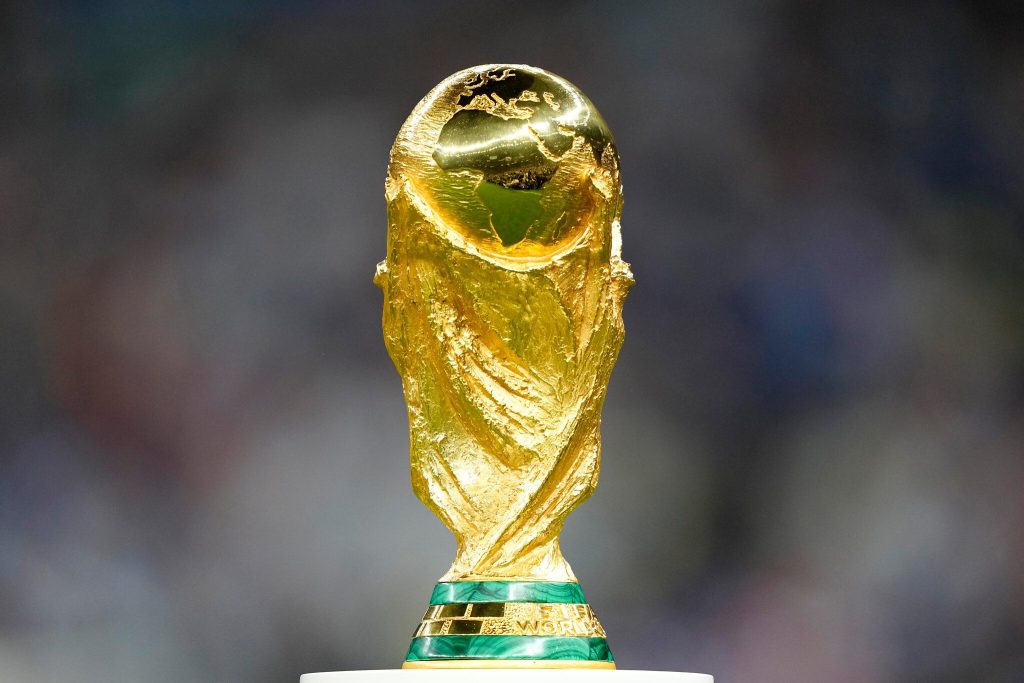
The FIFA World Cup is the pinnacle of global football, but its history is also marked by rare moments when countries, despite qualifying or being eligible opted not to participate.
These withdrawals have often been driven by political tensions, financial constraints, or disputes with football’s governing bodies, leaving behind unforgettable “what if” scenarios in the tournament’s legacy.
Below are five notable cases of countries that pulled out of the World Cup and the reasons behind their decisions.
The reigning champions at the time, Uruguay refused to defend their title in Italy as a protest against the limited European participation at the inaugural 1930 World Cup hosted in Uruguay. Their decision remains historic, as they became the only champions to skip the tournament immediately after winning it.
Argentina withdrew from the 1938 World Cup after France was chosen as host instead of a South American nation. Believing hosting rights would alternate between continents, their disappointment led them to boycott the tournament alongside regional rivals Uruguay.
India qualified for the 1950 World Cup in Brazil but withdrew before the tournament began. While myths suggest they were banned from playing barefoot, the more practical reasons included financial challenges, travel concerns, and a belief that the tournament was not a priority at the time.
Scotland qualified for the 1950 edition but pulled out after the Scottish Football Association insisted they would only attend if they won the British Home Championship—an outcome they failed to achieve.
Turkey also withdrew from the 1950 World Cup after qualifying, citing financial difficulties in funding travel across the Atlantic to Brazil.