Key Takeaways
- Romi village residents in Dawakin Tofa LGA, Kano State, are calling for the reconstruction of a bridge collapsed since 1996 and the rehabilitation of a 67-kilometre road.
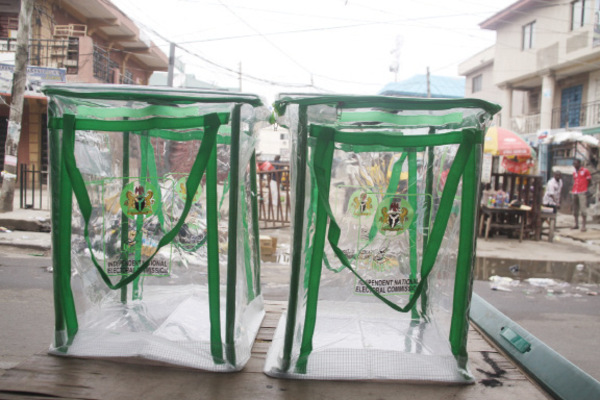
- The community has threatened to boycott forthcoming elections if the critical infrastructure is not addressed.
- The collapsed bridge, initially a self-help project completed by the local government in 1995, serves as a vital link for nearly 20 communities.
- Residents face severe hardship, including difficulty accessing essential services like hospitals, schools, and markets, and increased exposure to crime.
- Despite the challenges, a local APC official expressed optimism that the issues would be resolved.
For nearly three decades, the people of Romi village in Kano State's Dawakin Tofa Local Government Area have endured profound isolation and hardship. A critical bridge, their lifeline to the local government headquarters and essential services, collapsed in 1996 and has remained unreconstructed. Coupled with a severely dilapidated 67-kilometre road, the community's patience has worn thin, culminating in a stark ultimatum: rebuild our infrastructure, or face an election boycott.
The bridge, a testament to community spirit, was initially a self-help initiative before the local government council completed its construction in 1995. However, its collapse just a year later severed a vital artery for Romi and approximately 20 other surrounding communities, including Kwa, Dungurawa, Bumburawa, Babbar Ruga, and Cedi Babbar Ruga. The road, which terminates at Government Science Secondary School, Dawakin Tofa, is now a treacherous path, particularly during the rainy season, making travel a perilous ordeal.
Community leader Isa Adamu Abdullahi painted a grim picture of daily life. “As it is, we heavily rely on motorcycles and bicycles to reach Dawakin Tofa town where all our critical needs like hospital, school, and market, as well as other social activities, are there. You know how difficult it is to go there by bicycle,” Abdullahi lamented, highlighting the immense physical and logistical challenges faced by residents seeking basic necessities.
The prolonged neglect has not only impacted access to services but has also created a breeding ground for insecurity. Junaidi Danladi, another resident, revealed that the poor condition of the road has exposed commuters to frequent attacks by motorcycle thieves, with some incidents allegedly resulting in tragic loss of lives. The fear of robbery after dark effectively cuts off these communities, further deepening their isolation.
Magaji Hussain, a commuter from Bambarawa, articulated the community's resolve. “As you can see, we are heading to Dawaki from Bambarawa. From Gangaren Dutse, Kwa to Romi, Malunfashi, Bamburawa, Katoge, and Kashirmo – all are linked by this road. But honestly, we are facing difficulty on this road, especially whenever it rains. Once it is dark, people do not travel for fear of being robbed.” He added, “We are not saying no to elections, but this road is our vote. If it is fixed, we will vote and support polio vaccination as well as all government programmes.” This statement underscores the community's strategic use of their democratic right to demand accountability and essential development.
Despite the overwhelming challenges and the palpable frustration, a glimmer of hope persists. Ahmad Isa, the APC Secretary of Romi Ward, expressed optimism that the long-standing infrastructure problems affecting the community would eventually be addressed. He conveyed the residents' continued hope for the bridge's reconstruction and the road's rehabilitation, signaling a belief that their pleas will ultimately be heard by the authorities.
Why This Matters
The plight of Romi village is a stark reminder of the critical role infrastructure plays in rural development and citizen well-being. The community's threat to boycott elections highlights the growing demand for accountability from elected officials and the power of collective action in advocating for basic amenities, underscoring that access to safe roads and bridges is not a luxury, but a fundamental right that underpins socio-economic progress and security.