Key Takeaways
- Clement Nwankwo, PLAC Executive Director, urges Nigerians to actively participate in the 2027 elections, moving beyond mere complaints.
- He stresses the importance of scrutinizing candidates' records and policies over ethnic or party affiliations.
- Political parties are called upon to deploy agents to all polling units to safeguard election results.
- Hussaini Abdu highlights the declining collective action among Nigeria's middle class, opting for private solutions to public problems.
- The Just Friends Club of Nigeria aims to foster responsible citizenship and informed participation through public lectures.
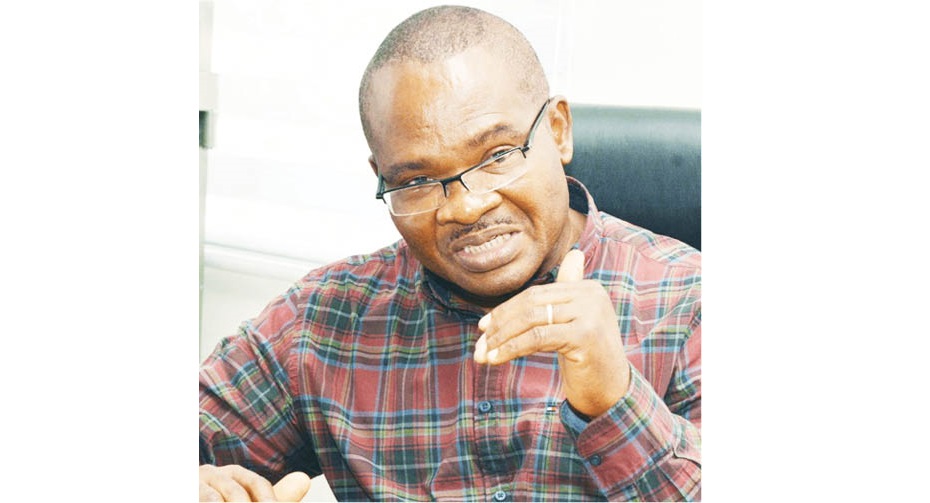
As Nigeria gears up for the 2027 general elections, a powerful call to action has emerged from Mr. Clement Nwankwo, the Executive Director of the Policy and Legal Advocacy Centre (PLAC). Speaking at the eighth annual public lecture of the Just Friends Club of Nigeria (JFCN) in Abuja, Nwankwo urged citizens to transcend mere complaints about poor governance and actively engage in the democratic process by rigorously scrutinizing candidates and steadfastly defending their votes.
Nwankwo emphasized that the upcoming elections demand a shift from 'hopeless cynicism' to a clear-eyed, informed approach. He advised Nigerians to make choices based on candidates' proven records, articulated policies, and demonstrated capacity to tackle the nation's pressing challenges, rather than succumbing to ethnic identity or party affiliation. This directive comes amidst widespread concerns over escalating insecurity, the rising cost of living, rampant unemployment, pervasive corruption, and the deteriorating quality of public services across the country. Expressing dissatisfaction, he noted, is insufficient without concrete, participatory action.
Beyond individual voter responsibility, Nwankwo also laid a critical onus on political parties. He unequivocally stated that parties must deploy agents to every single polling unit to protect election results. He warned against the perils of relying solely on social media popularity or unsubstantiated claims of victory, stressing that without robust structures to safeguard votes, electoral outcomes remain vulnerable to manipulation. “I do not think that any party is serious enough if you do not have agents in every polling unit,” Nwankwo asserted, underscoring the vital role of party vigilance in upholding electoral integrity.
Adding another layer to the discourse, Hussaini Abdu, the chairman of the occasion, highlighted a concerning trend within Nigeria's middle class. Abdu observed a diminishing willingness among this demographic to engage in collective action to address governance failures. Instead, many middle-class Nigerians have resorted to private solutions for public problems – such as investing in alternative electricity and water supplies or private education – rather than collectively demanding improvements in public services. This retreat, Abdu argued, significantly weakens collective pressure on the government and exacerbates the country's governance challenges. He called for the middle class to assume a more active role in mobilizing citizens and demanding accountability from public officials.
Abdu also raised a pertinent question regarding the role of development and humanitarian organizations, pondering whether their provision of essential services inadvertently allows governments to abdicate their primary responsibilities. Earlier, JFCN President Amaechi C. Aloke explained that the lecture was designed to encourage Nigerians to translate their concerns into knowledge, active participation, and responsible citizenship ahead of the 2027 elections. The club, established in 2013, has consistently organized annual public lectures since 2014, fostering discussions on governance, economy, security, and national development, alongside community outreach initiatives.
Why This Matters
The clarion call for active citizen participation and robust electoral oversight is crucial for strengthening Nigeria's democratic foundations and ensuring that future leadership genuinely reflects the will of the people. Addressing the observed decline in collective action, particularly among the middle class, is vital for fostering a more accountable governance system capable of tackling the nation's multifaceted challenges effectively.