Key Takeaways
- The Independent National Electoral Commission (INEC) has identified and flagged numerous questionable registration records.
- An investigation is underway into reports of suspected artificial intelligence-generated photographs within the preliminary voter register.
- The online register published is the initial preliminary version, not reflecting ongoing data cleanup and corrections.
- The 'Display, Claims and Objections' exercise is crucial for public scrutiny and identifying inaccuracies.
- INEC assures the public that all verified irregularities will be addressed before the final register is certified on December 15, 2026.
ABUJA, Nigeria – The Independent National Electoral Commission (INEC) has announced a comprehensive review of its preliminary register of voters, following the identification of numerous questionable records and reports of suspected artificial intelligence (AI)-generated photographs. This critical exercise underscores the commission's commitment to ensuring the integrity and accuracy of Nigeria's electoral roll.
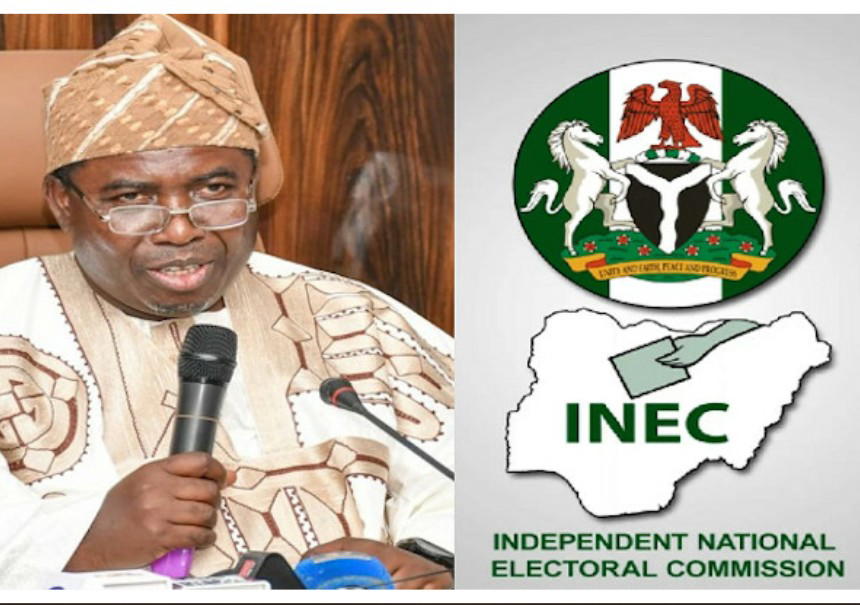
In a statement released on Tuesday night, Malam Mohammed Kudu Haruna, Chairman of INEC's Information and Voter Education Committee, acknowledged the growing public concern. "The Commission has noted public concerns and reports circulating on social media regarding suspected AI-generated photographs appearing in the Preliminary Register of Voters recently published on its website," Haruna stated.
INEC clarified that the online register, made public on October 26, 2026, is identical to the preliminary register physically displayed nationwide from October 9 to 15, 2026. This physical display was an integral part of the 'Display, Claims and Objections' exercise, a vital mechanism designed to facilitate public scrutiny and identify any inaccuracies or irregularities.
The commission emphasized that the questionable records, including those now under investigation for suspected AI-generated images, were initially flagged during this physical display phase. "During the physical display, a number of questionable registration records were identified and flagged for further examination. The Commission commenced the process of reviewing these records and taking appropriate corrective action in accordance with established procedures," the statement explained.
Crucially, the online publication represents the original preliminary register and does not yet reflect the ongoing data cleanup activities. This means the version currently accessible to the public is the raw, uncorrected dataset, prior to the implementation of necessary adjustments. INEC reiterated that the preliminary register is not, and was never intended to be, the final certified document. Its primary purpose is to invite public input and enable corrections before final certification.
The emergence of suspected AI-generated photographs introduces a new layer of complexity to electoral integrity. INEC is actively examining the circumstances surrounding these suspicious images, including potential technical or procedural lapses that might have allowed them into the system. The commission has pledged to take appropriate action based on verified findings, highlighting the evolving challenges in maintaining a clean voter register in the digital age.
INEC extended its appreciation to citizens and stakeholders who have demonstrated vigilance in bringing these concerns to public attention. Such active scrutiny, the commission noted, is invaluable in enhancing the accuracy and integrity of the register. "The Commission assures Nigerians that verified irregularities will be addressed through the applicable procedures,\