Key Takeaways
- The 2027 presidential race commenced on August 19, 2026, as candidates adopt varied campaign strategies.
- President Tinubu combined governance duties with campaign activities, defending his administration's economic policies.
- Atiku Abubakar utilized Facebook Live to challenge Tinubu's economic record, promising to restore the petrol subsidy.
- Peter Obi framed his campaign around accountability and competence, urging deep scrutiny of all candidates.
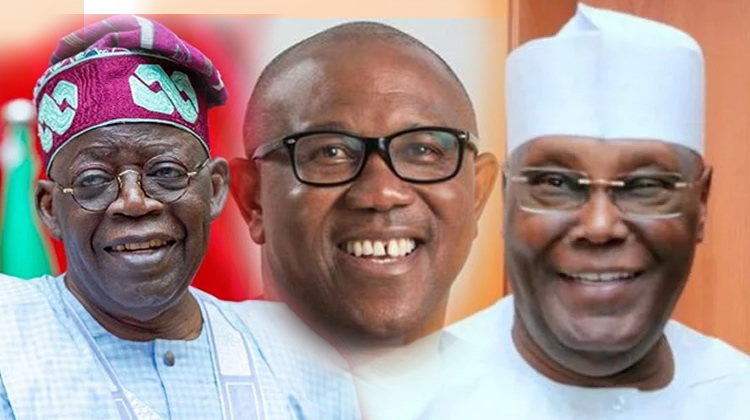
The highly anticipated 2027 presidential campaign has officially commenced, marking a pivotal moment in Nigerian politics. With the election slated for January 16, 2027, the three key contenders—President Bola Ahmed Tinubu, former Vice President Atiku Abubakar, and ex-Anambra State governor Peter Obi—are already demonstrating their unique approaches to connect with voters.
On the first day of the campaign, President Tinubu took a distinct path, integrating his dual responsibilities as the sitting president with his re-election efforts. Rather than staging a conventional rally, he convened a Federal Executive Council (FEC) meeting in Abuja, the first since June 2026, to focus on pressing national issues such as the economy, education, and infrastructure. This move highlights his intention to project a serious governance image, despite facing criticism over his administration's economic decisions.
Central to Tinubu's campaign narrative is his administration's controversial economic reforms, notably the removal of the petrol subsidy and the naira reforms. While the government defends these actions as necessary for long-term stability, they have sparked public discontent due to rising living costs and a perception of hardship.
In stark contrast, Atiku Abubakar opened his campaign appeal by directly addressing voters through a Facebook Live session. This modern approach allows him to bypass traditional campaign barriers, positioning himself as a responsive leader. He promptly criticized Tinubu's economic policies and pledged to restore the petrol subsidy if elected, thus challenging one of the administration's flagship reforms.
Atiku's comments underscored his strategy to convert public dissatisfaction into a call for change. He emphasized the need for transparency and accountability regarding Nigeria's financial management, which resonated strongly amid ongoing debates about government spending.
Meanwhile, Peter Obi took a more reflective route, encouraging voters to examine the character, competence, and policy proposals of all candidates. Identified as the “Candidate of Conscience,” Obi seeks to elevate the conversation surrounding the election beyond mere slogans. His campaign emphasizes transitioning Nigeria towards production, enhancing healthcare and education, and reducing the cost of governance.
The initial day of campaigning revealed distinct narratives emerging from each candidate. Tinubu focuses on advocating for continuity and reform, Atiku presents a clarion call for accountability and change, while Obi aims to steer discussions toward integrity and substantial policy review.
Why This Matters
The varied approaches of these candidates signal the beginnings of a complex electoral battle in Nigeria, with economic issues likely to dominate discussions. As the campaign progresses, the capacity of each contender to mobilize voter sentiment around their messages will significantly influence the upcoming election's outcome.