Key Takeaways
- The G100 is working to unite opposition parties and candidates ahead of the 2027 election.
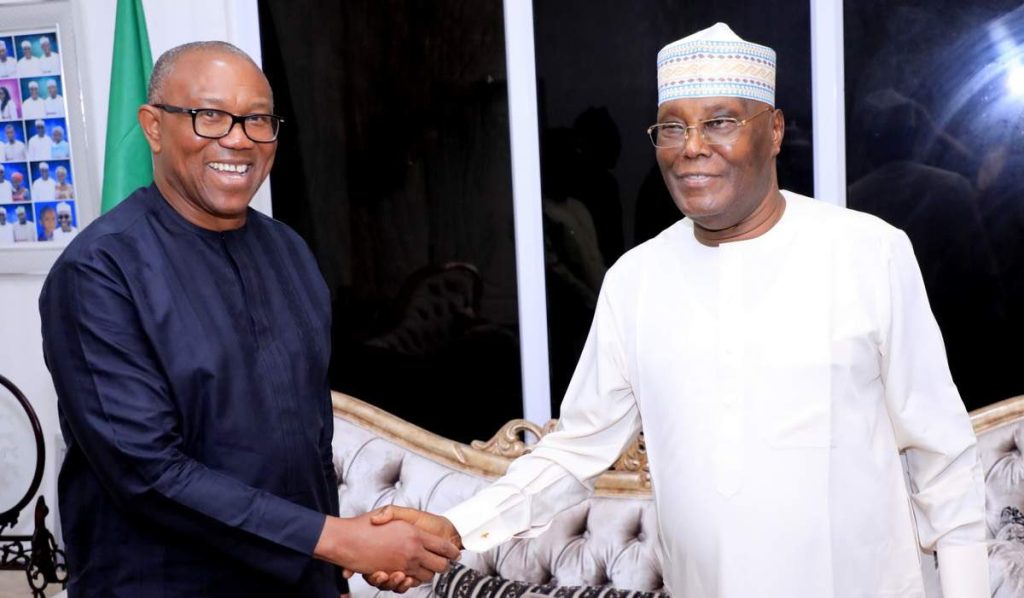
- Leading opposition figures, including Peter Obi and Atiku Abubakar, all want to become president.
- The group is urging candidates and supporters to prioritize defeating the ruling APC.
The leader of the G100 political pressure group, Salihu Lukman, has spoken about the challenges of uniting opposition presidential candidates in Nigeria. Lukman, who is also a chieftain of the African Democratic Congress (ADC), appeared on Arise Television’s Morning Show to discuss the group’s efforts to forge a common front among opposition parties and their candidates.
According to Lukman, the major obstacle is that each of the leading opposition figures wants to become president, while their supporters remain committed to seeing their preferred candidates emerge. He emphasized that managing these competing ambitions and loyalties within the opposition is a difficult task. However, the G100 is pushing for the candidates and their supporters to prioritize the broader objective of defeating the ruling All Progressives Congress (APC).
Industry Context
The Nigerian political landscape is complex, with multiple parties and candidates vying for power. The African Democratic Congress (ADC) is one of the opposition parties, and its chieftain, Salihu Lukman, is working to unite the opposition. The G100 is a political pressure group that aims to promote good governance and accountability in Nigeria.
Lukman argued that allowing opposition candidates to contest separately could repeat the outcome of the 2023 presidential election. He explained that the primary objective should be to present a formidable opposition capable of giving Nigerians confidence and challenging President Bola Tinubu and the ruling APC. The G100 is engaging opposition leaders on two fronts: encouraging them to negotiate and produce a common presidential platform, while also developing a shared agenda for governance if they defeat the APC in 2027.
Broader Implications
The proposed alliance should go beyond replacing political leaders, Lukman insisted. The opposition must explain how it intends to address Nigeria’s problems, such as poverty, unemployment, and insecurity. The G100 has received “encouraging signals” from some opposition leaders and is conscious of the limited time remaining before the 2027 election.
Why This Matters
The success of the G100’s efforts to unite the opposition could have significant implications for Nigeria’s political future. If the opposition can present a united front, it may be able to challenge the ruling APC effectively and bring about much-needed change in the country. Ultimately, the ability of the opposition to work together will determine the outcome of the 2027 presidential election and the future of Nigeria’s democracy.