Key Takeaways
- The debate over the APC's Muslim-Muslim ticket for 2027 highlights a national tension between religious balancing and merit-based leadership.
- Many stakeholders argue that competence, integrity, and vision should supersede religious affiliation in selecting political leaders.
- Historical precedents, such as the Jakande and Abiola/Kingibe tickets, are cited to support the argument for prioritizing performance.
- Some views suggest the ticket is a strategic political move, particularly considering Northern Nigerian demographics.
- A significant consensus emphasizes that pressing national issues like insecurity, economic hardship, and corruption demand more attention than religious identity.
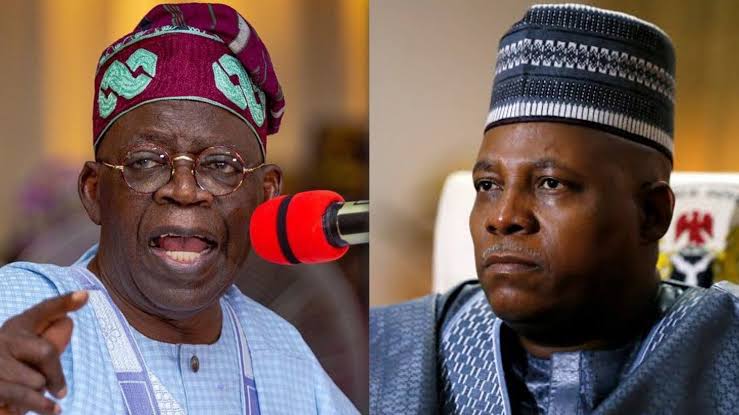
The political landscape in Nigeria is once again abuzz with fervent discussions surrounding the All Progressives Congress (APC)'s potential decision to retain its Muslim-Muslim presidential ticket for the 2027 general election. This renewed debate, fueled by growing speculation about President Bola Tinubu and Vice President Kashim Shettima seeking re-election on the same platform, has elicited a spectrum of opinions from prominent stakeholders across the nation.
Competence Over Creed: A Dominant Argument
A significant number of voices, including the National Organising Secretary of Afenifere, Abagun Kole Omololu, firmly assert that competence and good governance should take precedence over religious considerations. Omololu emphasized Afenifere's commitment to justice, equity, and the welfare of the people, irrespective of religious affiliation. He highlighted historical examples, such as the widely acclaimed administration of Alhaji Lateef Jakande and his deputy, Alhaji Rafiu Jafojo, both Muslims, in a predominantly Christian Lagos State. Similarly, the 1993 M.K.O. Abiola and Babagana Kingibe ticket, also Muslim-Muslim, secured a nationwide mandate based on character and vision, not creed.
Comrade Abayomi Arabambi, National Vice Chairman (South-West) of the Labour Party (Abure-led faction), echoed this sentiment, dismissing renewed criticism as irrelevant. He argued that President Tinubu's decision should be viewed through the lens of political realities and governance, stressing that competence and national interest must be the overriding considerations for the next election. Prince Adewole Adebayo, the Social Democratic Party (SDP) presidential candidate for 2027, also referenced the 1993 Abiola/Kingibe ticket, stating that Nigerians have historically judged leaders on a broader spectrum of qualities beyond religion.
Political Strategy and Regional Realities
Beyond competence, some stakeholders acknowledge the strategic dimension of the APC's choice. Arabambi pointed to the demographic realities of Northern Nigeria, suggesting that replacing a northern Muslim with a northern Christian might be politically counterproductive due to the perception of Christians as a minority in the region. He argued that the President would not want to "go against the wind" of these realities. Lateef Olalekan, Coordinator of the Yoruba Progressive Forum, viewed the Muslim-Muslim ticket as a political strategy aimed at winning elections and ensuring continuity and stability, rather than a move to disrupt national unity.
Chief Olusola Ebiseni, Secretary-General of Afenifere, while noting the sensitivity of religion, personally supported maintaining the current ticket to avoid destabilizing the administration and the country through careless political choices, citing past presidential-vice presidential rifts. He also highlighted the implications of removing a loyal Kanuri Vice President for a candidate from another ethnic group, especially close to an election.
Beyond Religion: Focus on Governance and Justice
Rt. Hon. Bakita Bello, a former Speaker of the Ondo State House of Assembly, offered a more critical perspective, lamenting that competencies and compassion have been "misplaced for mundane interests." He questioned whether previous tickets, regardless of their religious composition, genuinely improved the plight of the masses or prevented issues like corruption and insecurity. Bello challenged citizens to make informed decisions based on tangible impact, not religious considerations, arguing that the current administration's performance has not met his aspirations.
Prince Adebayo further emphasized that common challenges like insecurity, poverty, and economic hardship affect all Nigerians irrespective of their faith. He argued that victims of crime come from diverse religious backgrounds, making religion an unsuitable basis for political decisions. Adebayo concluded that what Nigerians truly seek is a righteous leader who embodies justice, truth, honesty, kindness, and charity, regardless of their religious identity.
Internal Dynamics and Public Priorities
Lanre Ogunsuyi, a former Commissioner for Information in Ekiti State, suggested that much of the renewed debate is driven by internal forces within the APC itself. He posited that politicians angling for the vice-presidential slot are fueling opposition to Vice President Shettima, rather than expressing genuine concerns over religious balance. Ogunsuyi maintained that while opposition parties might use the issue as a campaign tool, it is unlikely to be the deciding factor for Nigerian voters. He stressed that Nigerians are far more interested in the performance of their leaders and how policies affect their lives, with insecurity, inflation, and unemployment being the true priorities.
Aare Oladotun Hassan, President of the Yoruba Council Worldwide, urged a mature and fair approach to the issue, emphasizing that democracy is strengthened when all segments of society feel represented. He called for political leaders to prioritize competence, equity, justice, and policies that improve lives, fostering national cohesion over unnecessary polarization.
The ongoing discourse underscores a fundamental tension in Nigerian politics: the desire for religious inclusivity versus the demand for effective, results-oriented leadership. As the 2027 elections draw closer, the nation's focus remains sharply divided between these two critical considerations, with many hoping that tangible progress on pressing national issues will ultimately outweigh identity politics.
Why This Matters
This debate is crucial as it reflects the ongoing struggle to balance religious diversity with the imperative for effective governance in Nigeria. The outcome will significantly influence political strategies, national unity, and the criteria by which future leaders are chosen, impacting the country's stability and development trajectory.