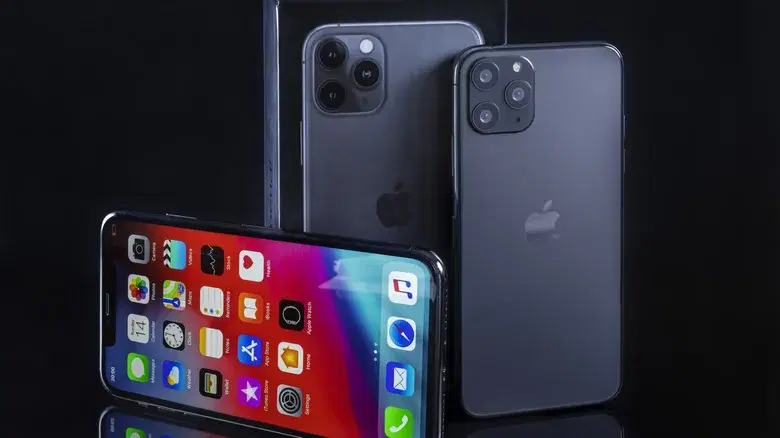
Using an older iPhone may seem appealing, particularly for those who admire the classic design of earlier Apple Inc. devices.
However, in 2026, sticking with ageing models can come with notable downsides, ranging from limited software support to costly repair challenges.
As devices age, they gradually lose access to the latest iOS updates. While some may still receive occasional security patches, users risk missing out on new features and critical protections. Over time, this can affect performance, app compatibility, and overall security.
Another key concern is hardware support. Once a device is classified as “vintage,” repairs become less reliable due to the limited availability of replacement parts, making maintenance increasingly difficult.
Apple has placed 12 iPhone models released between 2015 and 2019 on its vintage list.
According to Apple, a product becomes “vintage” once it has been off the market for more than five years but less than seven. After seven years, devices are considered “obsolete,” meaning the company no longer offers hardware servicing.
Although some vintage devices may still be repairable, this depends largely on whether parts are available. In certain regions, like France, regulations require extended support, but such coverage is not guaranteed worldwide.
Despite still being functional, vintage iPhones are not recommended for daily use. Repairs can be difficult, especially in areas where spare parts are scarce. Even minor damage could render a device unusable.
Security is another growing concern. Some of these models no longer support the latest updates, leaving users exposed to potential vulnerabilities and software exploits.